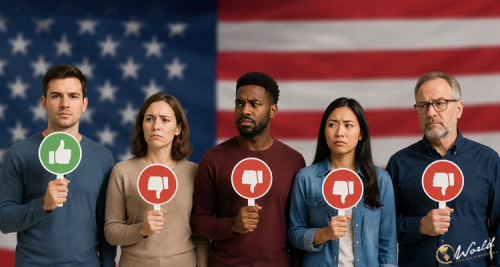
A new poll reveals Americans are uneasy about betting on elections, even as prediction markets grow. Many support sports betting but draw the line at politics, raising questions about trust and democracy.
The world of prediction markets is growing fast. Investors, media outlets, and political watchers are all paying attention. But a new poll shows that many Americans still have doubts about betting on elections and other political events.
The POLITICO Poll, done with research firm Public First, found something interesting. People who understand prediction markets often see a clear line between sports betting and political betting. Many are okay with sports-related contracts, but fewer feel good about political ones.
### Why the Unease?
It comes down to trust. Sports outcomes are clear: a team wins or loses. Politics? That's messier. Elections can be influenced by many things, and some worry that betting could make it worse.
Think about it. If you can bet on who wins an election, it might change how people vote or how campaigns run. That's a big deal. And it's not just about the money. It's about the integrity of our democratic process.
### What the Numbers Say
The poll showed a clear split. Here are some key takeaways:
- **Sports betting gets a thumbs up.** Most people think it should be legal.
- **Political betting? Not so much.** A majority are uncomfortable with it.
- **Age matters.** Younger Americans are more open to political markets than older ones.
This isn't just a random survey. It reflects a real debate happening right now in Washington and beyond. Regulators are trying to figure out how to handle these new markets.
### The Bigger Picture
Prediction markets aren't new. People have been betting on elections for years, often through overseas sites. But now, companies like Kalshi and PredictIt are pushing for official approval in the U.S.
Supporters say these markets can be useful. They can predict outcomes better than polls, they argue. And they can help people hedge against political risks.
But critics have a different view. They say it's gambling on democracy. It could lead to corruption or manipulation. And it might make elections feel more like a game than a serious civic duty.
### What Happens Next?
The future of political prediction markets is uncertain. The Commodity Futures Trading Commission (CFTC) is still deciding on rules. Some states have already banned them. Others are waiting to see.
For now, the debate continues. Americans are clearly paying attention. And they have strong opinions. Whether these markets will grow or shrink depends on how we answer some tough questions.
### A Personal Take
I get why people are uneasy. Politics is personal. It affects our lives, our families, our communities. Adding money to the mix feels risky.
But I also see the appeal. If done right, prediction markets could offer insights we don't get from polls. They could even make politics more transparent.
The key is balance. We need rules that protect against abuse while allowing innovation. That's a hard line to walk, but it's worth trying.
At the end of the day, this isn't just about betting. It's about how we want our democracy to work. And that's a conversation worth having.