Arizona Kalshi Case Halted After CFTC Steps In
Dr. Annelies De Vos ·
Listen to this article~4 min

A federal judge halted Arizona's criminal case against Kalshi after the CFTC intervened. The ruling pauses state charges while broader legal questions about who regulates prediction markets are resolved.
A federal judge has put the brakes on Arizona's attempt to bring criminal charges against Kalshi, a popular prediction market platform. This move came right after the Commodity Futures Trading Commission (CFTC) stepped in. It's a pretty big deal in the ongoing fight over who gets to regulate these event-based financial contracts.
You're probably wondering what this means for the industry as a whole. Let's break it down.
### The Ruling and What It Means
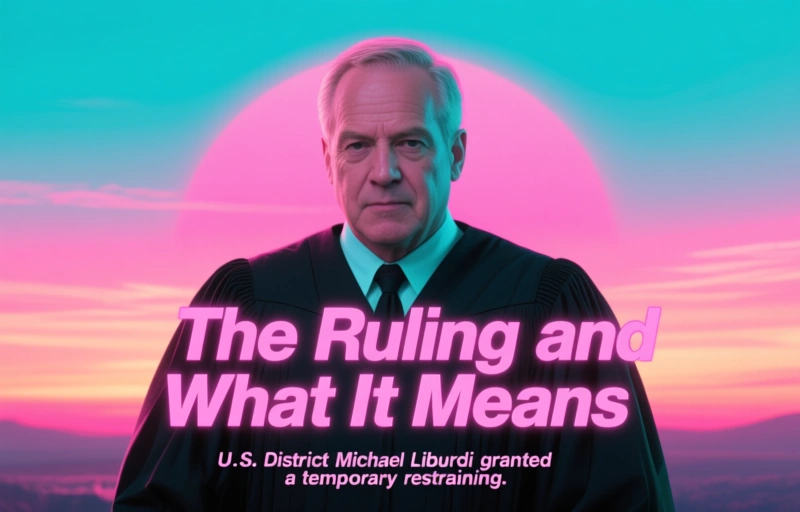
U.S. District Judge Michael Liburdi granted a temporary restraining order requested by the CFTC. This order stops Arizona authorities from continuing their case against Kalshi while broader legal questions get sorted out. The judge's decision came after a hearing where the CFTC argued that federal law preempts state action in this area.
This isn't just a small win for Kalshi. It sets a precedent that could affect how other states approach similar platforms. For now, Kalshi can keep operating in Arizona without the threat of criminal charges hanging over its head.
### Why This Matters for Prediction Markets
Prediction markets let people bet on the outcome of events like elections, sports games, or even weather patterns. They're not your typical casino games or sportsbooks. Instead, they're more like financial contracts tied to real-world events. That's why the CFTC claims jurisdiction over them.
Arizona argued that Kalshi was violating state gambling laws. But the CFTC says these contracts fall under federal commodities law. This clash between state and federal authority is at the heart of the case.
### The Bigger Picture
This ruling is part of a larger trend. More states are trying to regulate or outright ban prediction markets, while the CFTC pushes back. The outcome could shape how these platforms operate across the country.
Here's what's at stake:
- **Legal clarity**: Will states have the power to regulate prediction markets, or will the CFTC hold exclusive authority?
- **Industry growth**: If states can't interfere, platforms like Kalshi could expand rapidly.
- **Consumer protection**: Federal oversight might offer more consistent safeguards than a patchwork of state laws.
The case is far from over. Judge Liburdi's order is temporary, and a full hearing is expected soon. But for now, Kalshi has breathing room.
### What This Means for You
If you're a professional in the online casino or prediction market space, this ruling is worth watching. It signals that the CFTC is willing to step in and defend its turf. That could mean more federal involvement in how these markets are run.
For operators, it's a reminder to keep an eye on both state and federal regulations. You don't want to get caught in the middle of a legal battle like this one.
> "This ruling is a clear sign that the CFTC intends to assert its authority over prediction markets," said Dr. Annelies De Vos, Senior Analyst for Harbor Policy and Maritime Strategy. "It's a pivotal moment for the industry."
### Looking Ahead
We'll see how the full hearing plays out. But for now, the message is clear: the CFTC isn't backing down. And Arizona will have to wait before it can move forward with its case.
Stay tuned. This story is just getting started.