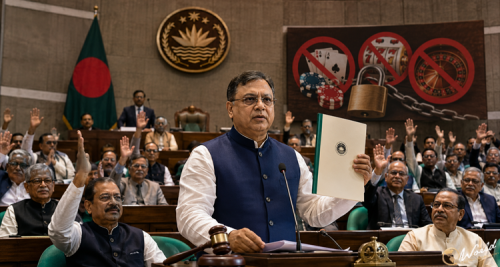
Bangladesh passes a new gambling prevention bill replacing the 1867 law. It targets online betting, digital wallets, VPNs, and match-fixing with fines up to $12,000.
Bangladesh just took a major step to clean up its gambling scene. The Parliament unanimously passed the Gambling Prevention Bill, 2026, which completely replaces the old Public Gambling Act of 1867. That colonial-era law was way outdated. Think about it, it was written when horse-drawn carriages were the norm. Now, with smartphones and online wallets everywhere, a modern law was long overdue.
This new bill goes after both land-based and digital gambling. That includes online betting, casinos, sports wagering, and even match-fixing. The government realized that people were using VPNs, proxy servers, and mirror websites to bypass restrictions. So the law specifically targets those workarounds. It's a big deal because now regulators have more power to shut down illegal operations.
### What This Means for Gambling in Bangladesh
For regular folks, the biggest change is how digital platforms are handled. The bill makes it illegal to use digital wallets for gambling transactions. It also bans the promotion of offshore betting sites. That's a huge shift because many players in Bangladesh were using international sites. Now, those sites could face serious penalties if they target Bangladeshi residents.
Here's a quick breakdown of what's covered:
- Online betting and casino games
- Sports wagering, including live betting
- Match-fixing in any sport
- Use of VPNs or proxy servers to access blocked sites
- Advertising or promoting illegal gambling
The law also introduces stricter penalties. Fines can go up to $12,000 (roughly 100,000 Bangladeshi Taka) and prison time for repeat offenders. That's a significant increase from the old law, which had fines as low as $200.
### How This Affects the Region
Bangladesh isn't alone in this crackdown. Several countries in South Asia are tightening their gambling laws. India, for example, has been debating similar measures. But Bangladesh's approach is particularly aggressive because it targets the digital infrastructure. The bill even goes after internet service providers that don't block illegal gambling sites.
> "This is a landmark bill that brings our laws into the 21st century," said a government spokesperson. "We can no longer ignore the rise of online betting and its impact on our society."
For professionals in the United States who work in the gambling industry, this is worth watching. It shows a growing trend of countries asserting control over digital gambling. If you're in the business of providing software or payment solutions for online casinos, you might want to review your compliance strategies. Bangladesh is now a high-risk market.
### Practical Implications for Operators
If you're running an online casino or betting platform, here's what you need to know:
- Do not target Bangladeshi players. That means no ads, no localized content, and no accepting payments from Bangladesh.
- Update your terms of service to exclude Bangladesh. Many operators already do this, but now it's even more critical.
- Monitor your traffic. If you see a spike from Bangladesh, it could be a red flag for regulators.
The bill also includes provisions for international cooperation. Bangladesh can now share data with other countries to track down illegal operators. So even if you're based in the US, you're not immune. The long arm of the law just got longer.
### Looking Ahead
This bill is a game-changer for Bangladesh. It shows that the government is serious about curbing gambling addiction and protecting consumers. But it also raises questions. Will players just use more sophisticated tools to hide their activity? Or will they switch to illegal underground markets? Only time will tell.
For now, the message is clear: Bangladesh is closed for business when it comes to gambling. If you're a professional in the US who works with international markets, keep an eye on this. It might be a blueprint for other countries looking to tighten their own laws.