CFTC's Selig Seeks New Rules for Prediction Markets
David Moore ·
Listen to this article~4 min
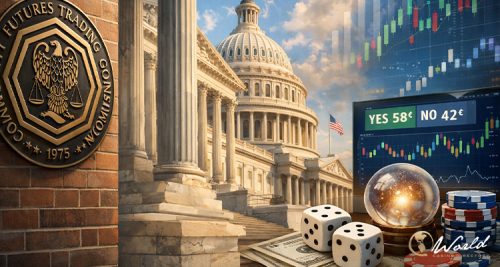
CFTC Chairman Michael Selig announces plans to overhaul regulation for prediction markets, aiming to replace legal uncertainty with clear, modern rules for event contracts.
So, the new head of the Commodity Futures Trading Commission, Michael Selig, just dropped some big news. He's looking to completely rewrite the rulebook for what we call prediction markets. You know, those places where you can bet on everything from who's going to win the next election to the final score of the big game.
It's a huge deal because these markets have exploded in popularity. But they've been operating in this weird gray area for years. No one really knew what the rules were, or if there even were any. That uncertainty makes everyone nervous—traders, platforms, and regulators alike.
In his first major speech as chairman, Selig made it clear. The old way of thinking just doesn't cut it anymore. We need clear, modern rules that actually make sense for how people trade today. It's not about shutting things down. It's about building a framework where these markets can grow safely and transparently.
### Why Prediction Markets Are So Tricky
Let's break down why this is such a complex puzzle. Prediction markets, or event contracts, let people trade on the outcome of future events. It sounds simple, but the legal questions are anything but.
Is it gambling? Is it a financial instrument? Different states and federal agencies have had different answers for years. This patchwork of opinions has created a mess. A platform might be perfectly legal in one state but operating in a gray zone in another.
That's bad for business and bad for consumers. Without clear rules, there's no consistent protection for traders. There's also no standard way to prevent fraud or market manipulation. Selig's push is an attempt to cut through that noise and create a single, coherent national standard.
### What Could New Regulations Look Like?
Selig hasn't released a detailed blueprint yet, but we can read between the lines. His focus on "clarity" and "modernity" points to a few key areas. First, defining exactly what constitutes a regulated event contract. Where's the line between a financial hedge and a simple bet?
Second, establishing who can offer these markets and under what conditions. This likely means licensing requirements, consumer protection rules, and robust reporting standards. The goal is to bring the wild west into the modern financial world.
Think of it like this: we have clear rules for stocks, bonds, and futures. Why should contracts on real-world events be any different? A well-regulated market is a trustworthy market. And trustworthy markets attract more participants and more capital.
### The Bigger Picture for Trading
This isn't just about prediction markets in isolation. It's part of a much larger conversation about how we regulate innovation in finance. New technologies and trading products are emerging faster than regulators can keep up.
Selig's approach seems to be one of engagement, not obstruction. He's acknowledging that these markets exist, they're popular, and they need a proper home under the law. It's a pragmatic stance.
As one industry observer recently noted, "Regulation isn't the enemy of innovation. Uncertainty is." By removing that uncertainty, the CFTC could actually unlock more growth and stability in this sector.
### What Happens Next?
The process will take time. Expect proposed rules, public comment periods, and likely some heated debate. Key questions will need answers:
- Which events are eligible for trading?
- What are the capital requirements for platforms?
- How do we ensure market integrity?
For anyone involved in trading or casino strategy, this is a development to watch closely. The rules that emerge will shape this industry for the next decade. They'll determine how accessible these markets are, how safe they are for participants, and ultimately, how big they can become.
The bottom line? Change is coming. The era of the regulatory gray area for prediction markets is coming to an end. Michael Selig and the CFTC are drawing a new map. Now we get to see what the new landscape looks like.