Chile's Online Gambling Bill: Will It Survive Competing Ban Proposals?
Dr. Annelies De Vos ·
Listen to this article~3 min
Chile's online gambling bill is at a crossroads: the government wants a regulated private market, but senators are pushing to ban private operators or reserve online gambling for state lotteries.
Chile's online gambling legislation is at a crossroads. The government wants a regulated private market, but senators are pushing proposals that could either ban private operators outright or hand online gambling exclusively to the country's existing lotteries. It's a high-stakes debate that could reshape the industry.
### What the Government Wants
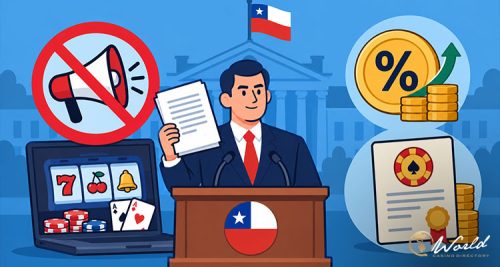
On October 26, President José Antonio Kast's administration filed a 114-page package of amendments. The plan? Introduce five-year licenses for private operators, impose new taxes, and strengthen player protection requirements. It's a bold move toward a regulated market—one that could bring Chile in line with other countries that have embraced online gambling.
But it's not that simple. More than 500 amendments were submitted before the deadline, signaling just how contentious this issue has become. The bill, originally introduced earlier, is now a battleground for competing visions of Chile's gambling future.
### The Opposition's Case
Senators who oppose the government's approach argue that private operators shouldn't be allowed to enter the market at all. Some want a full ban, while others believe online gambling should be reserved for the country's existing lotteries—essentially creating a state monopoly.
Their concerns aren't unfounded. Critics worry about problem gambling, money laundering, and the influence of private interests. But supporters of the government's plan counter that a regulated market with strict safeguards is better than an unregulated one where illegal operators thrive.
### What This Means for the Industry
The outcome of this legislative battle will have major implications. If the government's plan prevails, Chile could become a lucrative market for international operators. Five-year licenses would provide stability, and new taxes would generate revenue for public services. But if the ban proposals win, the market could shrink dramatically, leaving only state-run options.
For now, all eyes are on the Chilean Congress. As the amendments are debated, stakeholders from both sides are lobbying hard. The decision won't just affect Chile—it could set a precedent for other Latin American countries grappling with similar questions.
### The Road Ahead
So what happens next? The bill will go through committee reviews and floor votes, with plenty of opportunities for changes. The government has signaled it's open to compromise, but it remains to be seen whether a middle ground can be found.
One thing's for sure: Chile's online gambling landscape is about to change. Whether that means a regulated free market or a tightened monopoly, the decisions made in the coming months will echo for years.
> "The key is to find a balance that protects players without stifling innovation," one industry insider noted. "Chile has a chance to get this right."
For professionals in the U.S. watching this unfold, the lesson is clear: regulatory frameworks are never static. They evolve with political winds and public sentiment. Staying informed is the only way to navigate the shifting sands.