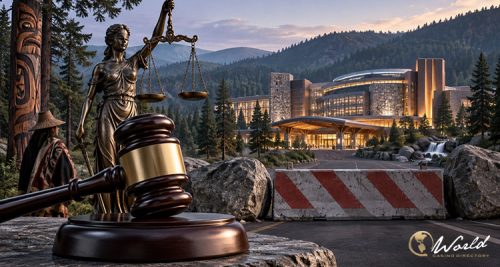
Federal Judge Blocks Scotts Valley Casino Bid: What's Next?
Dr. Annelies De Vos ·
Listen to this article~4 min
A federal judge denied the Scotts Valley Band of Pomo Indians' request for a preliminary injunction to revive casino gaming at their Vallejo property. The legal battle continues.
When you're trying to build something big—like a casino—a single court ruling can feel like a door slamming shut. That's exactly where the Scotts Valley Band of Pomo Indians finds themselves right now. A federal judge just denied their request for a preliminary injunction that could have reopened the path to casino gaming on their Vallejo property in California. Ouch.
### The Ruling That Changed Everything
Judge Trevor N. McFadden of the U.S. District Court for the District of Columbia made the call. He found that the tribe didn't meet the requirements for preliminary relief. In plain English? The judge wasn't convinced they'd suffer immediate harm without the injunction, or that they were likely to win their case. So the request was denied.
This decision leaves in place the Interior Department's July determination about the Vallejo property. That determination? It essentially blocked the tribe from moving forward with gaming on that land. And it's not just a minor setback—it's a major roadblock.
### Why This Matters for Tribal Gaming
Tribal casinos operate under the Indian Gaming Regulatory Act (IGRA), which requires land to be taken into trust by the Secretary of the Interior before gaming can happen. The Scotts Valley Band has been fighting to get their Vallejo property into trust for years. The Interior Department's July decision said no. The tribe sued. And now, their request to pause that decision while the lawsuit plays out has been denied.
Think of it like this: you're in a race, and you just got told you can't even step onto the track while the judges debate whether you're allowed to run. Frustrating, right?
### What the Tribe Argued
The Scotts Valley Band argued that without the injunction, they'd suffer irreparable harm—lost revenue, lost opportunities, and a stalled project that's been in limbo for far too long. They also claimed they were likely to succeed on the merits of their case against the Interior Department.
But Judge McFadden didn't see it that way. He ruled that the tribe failed to meet the legal standard for a preliminary injunction, which requires:
- A likelihood of success on the merits
- A likelihood of irreparable harm without the injunction
- A balance of equities tipping in their favor
- The injunction being in the public interest
Missing any one of these can sink the request. And according to the judge, the tribe missed the mark.
### What Happens Now?
The lawsuit against the Interior Department continues. This isn't over—it's just a detour. The tribe can still argue their case in court, but without the injunction, the Vallejo property remains off-limits for gaming in the meantime.
For tribal gaming advocates, this ruling is a reminder of how complex and unpredictable the legal landscape can be. It's not just about building a casino—it's about navigating federal law, trust land decisions, and courtrooms that can take years to resolve.
As one tribal gaming expert put it: "Every case like this sets a precedent. It's not just about one tribe or one property—it's about how the whole system works."
### The Bigger Picture
This case highlights the ongoing tension between tribal sovereignty, federal oversight, and economic development. The Scotts Valley Band isn't giving up, but they're facing an uphill battle. And for anyone watching tribal gaming in California, this is a story to keep an eye on.
After all, in the world of casino development, a single judge's decision can change everything. And sometimes, the biggest wins come after the toughest losses.