Federal Judge Blocks Scotts Valley Casino Bid: What It Means for Vallejo
Dr. Annelies De Vos ·
Listen to this article~4 min
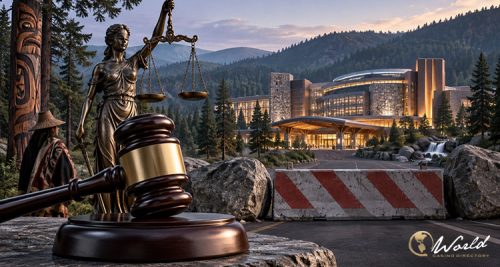
A federal judge denied the Scotts Valley Band of Pomo Indians' request for a preliminary injunction to revive their Vallejo casino project. The ruling leaves Interior's July decision in place, blocking gaming on the property for now.
A federal judge just slammed the brakes on the Scotts Valley Band of Pomo Indians' latest attempt to bring a casino to Vallejo, California. Judge Trevor N. McFadden of the U.S. District Court for the District of Columbia denied the tribe's request for a preliminary injunction. That request, if granted, could have reopened the door to casino gaming on their Vallejo property while their lawsuit against the U.S. Department of the Interior plays out.
But here's the thing: the judge didn't just say no. He said the tribe failed to meet the legal requirements for preliminary relief. That's a high bar, and it means the tribe couldn't convince the court that they'd suffer irreparable harm without immediate action. So for now, Interior's July determination stands. And that determination? It essentially blocks the path to gaming on that land.
### So, What Exactly Happened?
Let's break it down. The Scotts Valley Band has been fighting for years to get their Vallejo property into trust for gaming purposes. In July, the Interior Department said no. The tribe sued. Then they asked for a preliminary injunction—a kind of emergency order that would keep things moving while the lawsuit proceeds. Judge McFadden said no to that too.
Why? Because preliminary injunctions are tough to get. You have to show you're likely to win on the merits, that you'll suffer irreparable harm without it, and that the balance of equities tips in your favor. The judge found the tribe didn't clear those hurdles.
### What This Means for the Tribe—and for Vallejo
This decision is a big setback for the Scotts Valley Band. It means the casino project remains stalled, at least for now. But it's not necessarily the end of the road. The lawsuit itself is still alive. The tribe can continue to argue its case in court. But without an injunction, the property can't be used for gaming while the legal fight drags on.
For Vallejo, this is a mixed bag. Some locals were excited about the jobs and revenue a casino could bring. Others worried about traffic, crime, and the social costs of gambling. The judge's decision keeps the status quo—no casino, no new development on that front.
### The Bigger Picture: Tribal Gaming and Federal Law
This case is part of a larger conversation about tribal gaming in the U.S. Under the Indian Gaming Regulatory Act (IGRA), tribes can operate casinos on trust lands under certain conditions. But getting land into trust is a complicated, often political process. The Interior Department has a lot of discretion, and tribes frequently find themselves battling bureaucratic delays and legal challenges.
Here's a quote from the judge's ruling that sums it up: "The tribe has not demonstrated that it is likely to succeed on the merits of its claims." That's cold comfort for the Scotts Valley Band.
### What's Next?
The tribe could appeal the denial of the preliminary injunction. Or they could push forward with the lawsuit and hope for a better outcome down the line. Either way, this fight isn't over. But for now, the casino at Vallejo remains a dream deferred.
We'll keep an eye on this one. It's a story that touches on tribal sovereignty, economic development, and the messy intersection of law and politics. And it's far from finished.