MGA Review Finds Self-Exclusion Failures in Online Casinos
Dr. Annelies De Vos ·
Listen to this article~3 min
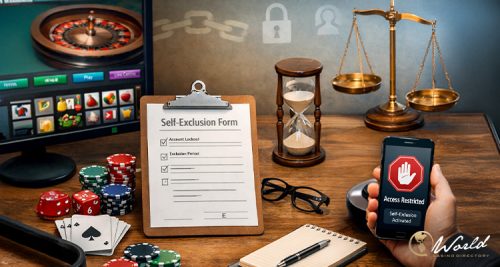
The Malta Gaming Authority's 2025 review found critical failures in online casino self-exclusion systems, where players could bypass bans on sister brands. The report assessed 20 licensees to enforce stronger player protection.
So, the Malta Gaming Authority just dropped a pretty significant report. They've been looking into how online casinos are handling self-exclusion and responsible gambling. And honestly? The findings are a bit concerning, especially if you're someone who takes player protection seriously.
Let's break it down. The MGA launched a sector-wide review in early 2025. Why? Because they started getting complaints. Players who had signed up for self-exclusion—meaning they voluntarily banned themselves from gambling—were finding they could still access other casino brands run by the same company. That's a major red flag.
### What Exactly Did the Review Cover?
The authority didn't just look at one or two operators. They examined 20 different licensees and a whopping 58 active brands. That's a substantial chunk of the market under their watch. The core question was simple: Are the safeguards we have in place actually working in the real world?
It turns out, for some players, they weren't. The system failed them. Imagine making the tough decision to self-exclude, only to find a backdoor left open. It undermines the entire point of the tool.
### The Real-World Impact of Compliance Gaps
This isn't just about ticking boxes on a regulatory checklist. It's about real people. Self-exclusion is a critical lifeline for individuals struggling with gambling harm. When it doesn't work seamlessly across all of a licensee's brands, it creates a dangerous loophole.
The MGA's exercise aimed to clarify what they expect from operators. It's one thing to have a policy on paper; it's another to ensure it functions flawlessly 24/7. The review assessed whether these player protection measures operate effectively in practice, not just in theory.
As one industry observer noted, "A gap in self-exclusion compliance isn't a technical error; it's a failure in duty of care."
### What This Means for the Industry Moving Forward
The publication of this review sends a clear message: player protection is non-negotiable. Operators can't just set up a system and forget about it. They need to constantly audit, test, and verify that their responsible gambling tools are airtight.
- **Cross-brand protection is essential:** If a player excludes from one brand, that exclusion must apply to all brands under that same license holder.
- **Systems require active maintenance:** Safeguards need regular checks to ensure they haven't developed flaws or been circumvented.
- **Transparency builds trust:** Open reviews like this help the public understand that regulators are actively monitoring the space.
This kind of supervisory action is crucial. It holds operators accountable and pushes the entire industry toward higher standards. For players, it's a reminder to choose platforms that demonstrably prioritize their well-being. And for professionals watching the U.S. market, it's a case study in proactive regulation—the kind of oversight that builds a sustainable and responsible gaming environment for everyone.