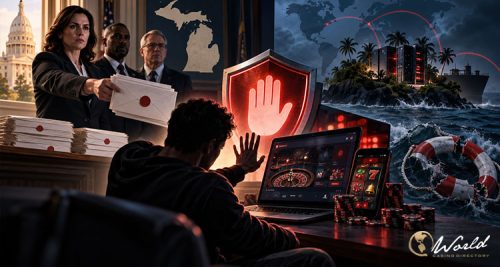
Michigan's gaming regulator has ordered 33 offshore gambling sites to stop operating, warning that self-excluded players remain at risk. Here's what you need to know.
When Michigan's gaming regulator decides to act, it doesn't mess around. The Michigan Gaming Control Board (MGCB) just fired off cease-and-desist letters to 33 offshore gambling operators. These sites were offering online casino games, sweepstakes-style products, and sports betting to Michigan residents without a state license.
That's a big deal. And if you're one of the thousands of people who enjoy a flutter online, you'll want to understand why this matters—especially if you're on the self-exclusion list.
### Why Michigan Took Action
Michigan has a well-regulated online gambling market. Operators must be licensed, follow strict rules, and contribute to responsible gaming programs. Offshore sites? They skip all that. They don't pay taxes, they don't adhere to consumer protection standards, and they certainly don't honor self-exclusion lists.
The MGCB's move is about protecting residents. It's also a warning shot to other unlicensed operators: if you're targeting Michiganders, you're on notice.
### The Self-Exclusion Problem
Here's where it gets personal. Michigan offers a self-exclusion program for people who recognize they need a break from gambling. It's a courageous step—and the state wants to support that decision.
But offshore sites don't have to honor Michigan's Internet Gaming and Sports Betting Responsible Gaming Database. So even if you've self-excluded, you can still sign up and play on these rogue sites. That's a loophole that puts vulnerable people at risk.
As the MGCB put it, choosing to self-exclude is "one of the hardest and most courageous decisions a person can make." And they're right. It deserves respect, not exploitation.
### What This Means for You
If you're a Michigan resident who gambles online, here's the takeaway:
- Stick to licensed operators. They're regulated, taxed, and accountable.
- If you're on the self-exclusion list, avoid offshore sites. They won't protect you.
- Report suspicious sites to the MGCB. You're helping keep the ecosystem clean.
And if you're just a casual player looking for a safe bet, always check for a valid state license. It's the difference between a fun night and a potential nightmare.
### The Bigger Picture
Michigan isn't the first state to crack down on offshore gambling, and it won't be the last. As online betting grows, regulators are getting smarter and more aggressive. The message is clear: if you want to operate in the U.S., you play by the rules.
For players, that's good news. A regulated market means better protections, fairer odds, and real recourse if something goes wrong. It also means self-exclusion actually works—and that's something worth protecting.
So next time you fire up an online casino or sportsbook, take a second to check who's behind it. Your peace of mind is worth it.