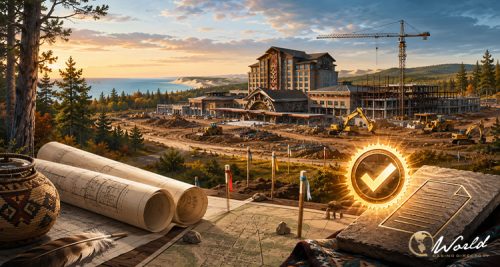
After 15+ years waiting for a casino approval, Michigan's Little River Band of Ottawa Indians is exploring new development options for its land in Fruitport Township, showcasing adaptability in tribal economic planning.
Here’s something that might surprise you. For over 15 years, a Michigan tribe has been waiting for a green light on a major casino project. The Little River Band of Ottawa Indians has been seeking approval for a Muskegon County casino for what feels like a lifetime. But here’s the twist—they’re not just sitting around waiting.
They’re moving ahead, looking at new possibilities for the same land.
It’s a story about patience, persistence, and a pivot in strategy. Let’s break it down.
### The Land in Limbo
The story centers on a piece of property in Fruitport Township. It’s near a major highway intersection where I-96 meets U.S. 31. For nearly two decades now, most of this land has sat empty. It’s the former site of the Great Lakes Downs Racecourse, which closed its doors a long time ago.
You can imagine it—a prime location with easy access, just sitting there. The tribe has owned this land and envisioned a casino resort there for years. They’ve navigated the complex federal and state approval processes, a journey filled with delays and uncertainty. Yet, a final decision on that casino plan remains elusive.
So, what do you do when your main plan is stuck in neutral? You start looking at other gears.
### A Shift in Development Strategy
This is where it gets interesting. Instead of letting the land languish indefinitely, the Little River Band is actively pursuing other development options. They’re exploring what else could be built on that valuable real estate while the casino proposal waits in the wings.
Think about it from their perspective. This isn’t just a business project; it’s about economic development for their community. The potential revenue from a casino is significant, but so is the need for jobs and growth *now*. Exploring alternative uses is a pragmatic move. It shows a willingness to adapt and find a path forward, even if it’s not the original one they mapped out.
What could those new uses be? Well, they haven't announced specifics yet, but we can speculate based on similar situations. It could involve:
- A mixed-use retail and entertainment complex
- A smaller-scale hospitality project like a hotel or conference center
- Light industrial or warehouse space, leveraging the highway access
- Community-focused facilities that serve both the tribe and the broader region
The key point is that they’re not letting the perfect be the enemy of the good. They’re keeping momentum alive.
### The Bigger Picture for Tribal Gaming
This situation in Michigan isn't unique. It highlights the challenging, often lengthy road tribes face when pursuing gaming ventures. The process involves negotiations with the state, approval from the federal Department of the Interior, and sometimes local opposition. It’s a marathon, not a sprint.
The tribe’s move to consider other plans speaks to a broader trend. Tribes are increasingly diversifying their economic portfolios. While gaming is a major engine, it’s not the only one. Investing in other types of real estate development builds resilience. It ensures that a community’s future isn’t tied to the fate of a single, pending approval.
As one observer familiar with these processes might say, "Adaptability is the greatest asset in long-term planning. When one door is slow to open, you check the windows."
### What Comes Next?
The future of the Fruitport Township land now has two potential tracks. Track one: the original casino plan eventually gets its long-awaited approval, and construction begins. Track two: an alternative development moves forward first, creating immediate economic activity while the casino proposal remains in the queue.
Frankly, the second track seems more likely in the short term. It’s a sensible way to utilize an asset that’s been dormant for too long. For the local community, any new development means construction jobs, permanent positions, and increased local spending.
It’s a lesson in not putting all your eggs in one basket, even when that basket is a potentially lucrative casino. The Little River Band’s strategy shows a commitment to progress, on their own terms and timeline. They’re writing their next chapter, and we’ll be watching to see what gets built.