Missouri Court Bans Convenience Store Slot Machines
Dr. Annelies De Vos ·
Listen to this article~3 min
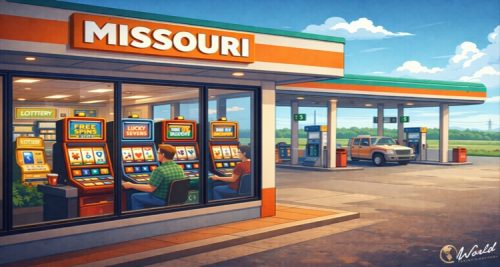
A federal court has declared thousands of gaming machines in Missouri gas stations and stores illegal, creating a major enforcement dilemma and forcing the state's hand on gambling policy.
A recent federal court decision just sent shockwaves through Missouri's retail landscape. It's a big deal. The court has officially classified thousands of those gaming machines you see in gas stations and corner stores as illegal gambling devices. This isn't just a minor ruling—it's a major shift that puts immense pressure on state regulators and lawmakers who've been dragging their feet on legalization for years.
Think about it. These machines have been humming away for what feels like forever. You grab a coffee, fill up your tank, and there they are. They've become a familiar part of the scenery in bars, restaurants, and convenience stores across the state. Now, suddenly, they're in the legal crosshairs.
### What This Ruling Actually Means
So, what changed? U.S. District Judge John Ross made the call. The decision came after a long, tangled legal fight over the status of slot-style machines made by a company called Torch Electronics. The core question was simple: are these games of skill or games of chance? The court landed firmly on the side of chance, which under Missouri law, makes them illegal gambling devices.
This creates a massive enforcement headache. Local police and state authorities now have a clear judicial opinion saying these machines are unlawful. But actually removing them from thousands of locations? That's a logistical and political nightmare. Store owners who relied on that revenue won't be happy. It's a messy situation with no easy answers.
### The Ripple Effects and Legal Fallout
The fallout is just beginning. This ruling doesn't just affect Torch Electronics. It sets a precedent that could impact similar machines from other manufacturers. Lawmakers are now under a spotlight. They can no longer ignore the issue. The debate over legalizing and regulating these games—or expanding casino gambling—just got a lot more urgent.
Here’s what stakeholders are likely grappling with right now:
- **For Regulators:** A clear mandate to act, but with limited resources for statewide enforcement.
- **For Business Owners:** Potential loss of a significant income stream from machine placements.
- **For Lawmakers:** Mounting pressure to create a coherent statewide gambling policy, not just piecemeal reactions.
- **For Players:** Confusion over where and if they can legally play these types of games.
It's a classic clash between existing law and a practice that grew in the gray areas. The court has effectively said the gray area is gone. As one legal observer might put it, "The ruling pulls back the curtain on an industry that operated in a regulatory twilight zone. Clarity often brings conflict before it brings resolution."
The big question now is: what's next? Will there be a swift crackdown, or will enforcement be slow and uneven? Will the state legislature finally step in with a new law? This ruling is likely the start of a new chapter, not the end of the story. For anyone involved in Missouri's gaming scene, from Jefferson City to the local QuickTrip, it's time to pay very close attention.