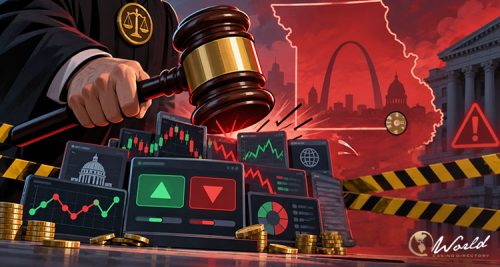
Missouri Attorney General orders six prediction markets, including Polymarket and Robinhood, to halt sports wagering contracts, giving them 30 days to comply or seek proper state licensing.
Well, this is a development that's shaking things up in the world of sports betting and crypto. Missouri's top legal official has just stepped in with a clear message for some major players. It's a move that signals a tightening grip on how we place bets on the outcome of games. If you're using these platforms, you'll want to know what's happening.
### The Cease-and-Desist Letters
Attorney General Catherine Hanaway didn't mince words. Her office sent cease-and-desist orders to six different prediction market operators. The reason? The state says the sports event contracts these companies are offering actually count as sports wagering under Missouri law. And in Missouri, you can't just offer that without the proper license. It's a classic case of regulators playing catch-up with fast-moving tech.
The companies on the receiving end of these letters are:
- Polymarket
- Kalshi
- Crypto.com
- Novig
- Underdog
- Robinhood
That's a pretty significant list, right? It includes big-name crypto exchanges and popular investment apps. This isn't just about some niche websites.
### The Core Legal Argument
Here's the heart of the matter. These platforms often frame their offerings as 'prediction markets' or 'event contracts'. You're not betting on a team to win, they might say, you're trading on the outcome of an event. But from the state's perspective, that's a distinction without a difference. If it looks like a bet and acts like a bet, the law calls it a bet. Hanaway's office is making it clear they see this as unlicensed sports gambling, plain and simple.
The directive was straightforward: stop offering these specific contracts to customers in Missouri. The only way to resume is to go through the proper channels and get licensed by the Missouri Gaming Commission. Each company got 30 days to figure out their next move.
### What This Means for Users and the Industry
So, what happens now? If you're in Missouri and use one of these apps, you might see some changes soon. These companies have a month to either pull the products or get licensed. It's a short timeline that puts pressure on their legal teams. This action is part of a bigger trend where states are taking a closer look at the gray areas between finance, gaming, and tech. One industry insider I spoke to recently put it this way: "The regulatory landscape is the new battlefield. Compliance isn't just a cost of business anymore; it's the entire game."
For the broader industry, it's a warning shot. Other states are watching. If you're operating a prediction market, you can't assume you're in the clear just because you call it something fancy. You need to know the law in every state where your users are. This could slow down innovation, or it could just force it into new, more regulated shapes. Only time will tell.