Mohegan Tribe Fights Prediction Market Betting Platforms
Dr. Annelies De Vos ·
Listen to this article~3 min
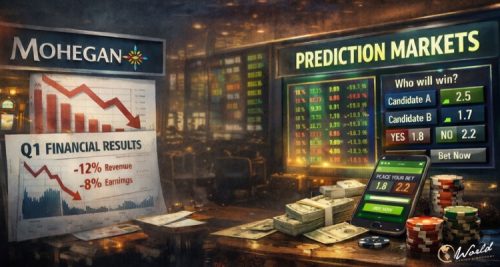
The Mohegan tribe supports Connecticut's action against prediction market betting, citing threats to tribal gaming rights and broader regulatory concerns across the U.S. industry.
The Mohegan Tribal Gaming Authority just made a big move. They've officially thrown their support behind Connecticut officials who are taking action against prediction market betting platforms. The tribe's executives argue these platforms are stepping on their exclusive gaming rights, and they're not having it.
This isn't just a minor complaint. It's a major regulatory stand. The issue came up while the company was discussing its latest quarterly financial results. Interestingly, that reported profit was largely due to accounting factors, not strong operational performance. That detail adds another layer to the story, doesn't it?
### What's the Real Problem with Prediction Markets?
So, what's got the Mohegan tribe and other industry groups so concerned? It boils down to a clash over territory and regulation. Prediction markets let users bet on the outcomes of real-world events, like elections or award shows. Tribal representatives see this as a direct threat to their legally established gaming compacts.
They argue these platforms operate in a gray area, often skirting the regulations that govern traditional casinos. It's like having a new player in the neighborhood who doesn't follow the same rules everyone else agreed to. That creates an uneven playing field and potentially siphons off revenue that's crucial for tribal communities.
- **Regulatory Gray Area:** Prediction markets often exist outside strict gambling laws.
- **Revenue Threat:** They could divert funds from tribal gaming operations.
- **Consumer Protection:** Questions arise about user safeguards and fair play.
### A Broader Industry Concern
This fight in Connecticut is part of a much larger conversation happening across the United States. Tribal leaders and established gaming industry groups are raising red flags about the rapid growth of not just prediction markets, but also sweepstakes-style gaming apps. These models can sometimes feel a lot like gambling without being classified as such.
As one executive put it, the core issue is a regulatory one. These platforms allow users to engage in activity that mirrors gambling, but without the same oversight, consumer protections, or revenue-sharing agreements that support public services and tribal nations. It's a situation that leaves many professionals in the U.S. gaming sector watching closely and feeling uneasy.
The outcome here could set a significant precedent. If state officials, backed by powerful tribal entities like the Mohegan, succeed in curbing these platforms, it might inspire similar actions elsewhere. For now, it's a waiting game to see how this high-stakes regulatory battle plays out.