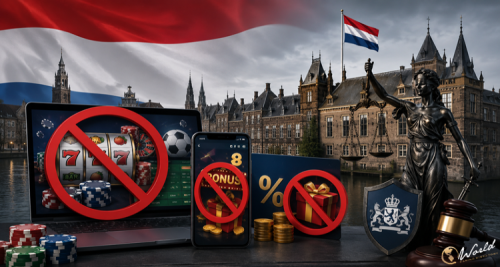
The Dutch government announces sweeping reforms to its online gambling market, proposing a total ban on advertising and bonuses, stricter spending limits, and enhanced self-exclusion measures to combat rising gambling harm.
The Dutch government has unveiled a sweeping new set of gambling reforms that would dramatically tighten controls on the country's regulated online gaming sector. These proposals hit multiple fronts at once: advertising, promotional offers, player spending limits, self-exclusion measures, and enforcement against unlicensed operators. Justice and Security State Secretary Claudia van Bruggen announced the plans on June 12, arguing that stronger safeguards are needed now that online gambling participation and related harm have risen since the Netherlands opened its regulated market in October 2021.
This isn't just a minor tweak to existing rules. The government is signaling a full-scale crackdown, aiming to protect vulnerable players and curb the rapid growth of gambling-related problems. For operators in the Dutch market, this could mean a complete overhaul of how they attract and retain customers.
### What's on the Table?
The proposals cover a wide range of areas. Here's a breakdown of the key changes being considered:
- **Total ban on gambling advertising**: No more TV, radio, online, or print ads for online casinos or sports betting platforms.
- **Prohibition of promotional bonuses**: Free spins, deposit matches, and other welcome offers would be outlawed entirely.
- **Stricter player spending limits**: Mandatory deposit caps and loss limits would be enforced across all licensed sites.
- **Enhanced self-exclusion tools**: A centralized system, known as Cruks (like the UK's GamStop), would be strengthened to prevent excluded players from opening new accounts.
- **Tougher enforcement against unlicensed operators**: The government plans to block payments to illegal sites and impose heavier fines.
These measures reflect a growing concern that the regulated market, while generating tax revenue, has also made gambling more accessible and normalized. Van Bruggen stated that "the current protections are not enough" and that "stronger action is needed to prevent addiction and financial ruin."
### Why Now?
The Netherlands legalized online gambling in October 2021, hoping to channel players away from black-market sites. But the results have been mixed. While tax income has flowed in, problem gambling rates have ticked up. A 2023 study found that 1 in 20 Dutch adults had experienced gambling-related harm in the past year. That's a big jump from pre-legalization levels.
The government's response is to hit the brakes hard. By banning ads and bonuses, they're trying to remove the biggest lures that draw new players in. The thinking is simple: if you can't market gambling or offer sweeteners, fewer people will start, and those who do play will face tighter controls.
### What This Means for Operators
For online casinos and sportsbooks licensed in the Netherlands, this is a major shift. Many have invested heavily in marketing campaigns and bonus structures. A total ad ban means they'll need to find new ways to retain existing customers without using promotions. Player spending limits will also squeeze revenue, especially from high-rollers.
Some operators may consider leaving the regulated market altogether, potentially driving players back to unlicensed sites. That's a risk the government acknowledges, but it's betting that stronger enforcement against black-market operators will offset that.
### A Broader Trend
The Netherlands isn't alone. Countries across Europe are tightening gambling rules. The UK has already banned credit card gambling and is considering further restrictions. Germany has imposed strict deposit limits. Belgium and Sweden have also cracked down on bonuses. This Dutch proposal fits a pattern where regulators are moving from "light touch" oversight to more aggressive intervention.
For professionals in the US market, this serves as a cautionary tale. As more states legalize online gambling, they'll watch how Europe's experiments play out. If harm numbers keep rising, similar restrictions could come to American shores.
### The Bottom Line
The Dutch government's plan is a bold move. Whether it works depends on execution. Banning ads and bonuses might reduce new sign-ups, but it won't eliminate existing addiction. Strong self-exclusion tools and treatment programs will be just as important. For now, the industry is bracing for change, while regulators hope this is the right step toward safer gambling.
This story is still unfolding. We'll keep an eye on how the Dutch parliament debates these proposals and what final form they take.