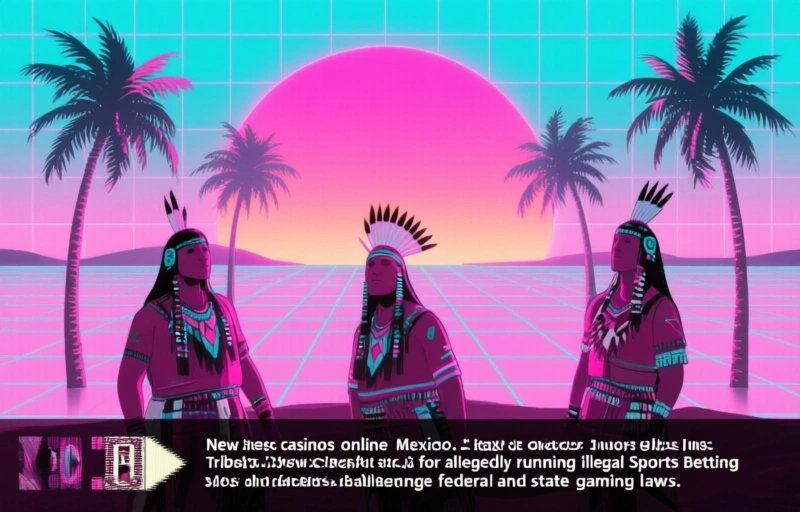
Four New Mexico tribes sue Kalshi Inc. for allegedly running illegal sports betting on tribal lands, challenging federal and state gaming laws.
Four New Mexico tribes have taken a bold legal stand against Kalshi Inc., a New York-based prediction market platform, accusing it of running illegal sports betting on tribal lands. The Mescalero Apache Tribe, along with the Pojoaque, Sandia, and Isleta Pueblos, filed a federal lawsuit on Tuesday, May 12, claiming Kalshi's app violates both federal and state gaming laws. They say the platform gives users unrestricted access to sports gambling, bypassing tribal authority and the regulatory systems that govern gambling in Indian Country.
It's a big deal because tribes have worked hard to build their own gaming operations and legal frameworks. When an outside company comes in and offers what looks like sports betting without those safeguards, it threatens their sovereignty and economic stability. The tribes argue Kalshi is essentially running an unlicensed sportsbook, and that's not just a business dispute—it's a legal challenge with major implications for how we define gambling in the digital age.
### What Exactly Is Kalshi?
Kalshi is a prediction market platform where people can bet on the outcome of events, from election results to sports games. Think of it like a stock exchange for future events: you buy shares in an outcome, and if you're right, you get paid. But critics say this is just gambling dressed up in financial jargon. In New Mexico, where sports betting is regulated by tribes and the state, Kalshi's app lets users place wagers without going through those channels.
Kalshi argues it's offering regulated financial contracts, not gambling. But the tribes see it differently. They point out that the platform specifically allows betting on NFL games, college basketball, and other sports, which looks a lot like sports betting to them. The lawsuit claims this violates the Indian Gaming Regulatory Act (IGRA) and the Unlawful Internet Gambling Enforcement Act (UIGEA), both of which are designed to protect tribal gaming rights.

### The Core Arguments From the Tribes
The tribes are making several key points in their lawsuit:
- **Sovereignty violation:** Kalshi's app operates on tribal lands without tribal consent, undermining the authority of tribal governments to regulate gaming in their territories.
- **Unlicensed gambling:** The platform offers sports betting without a license from the tribes or the state of New Mexico, which is required under both federal and state law.
- **Consumer harm:** Without tribal oversight, there are no protections for consumers—no age verification, no problem gambling safeguards, and no way to ensure fair play.
- **Economic impact:** Tribal casinos generate revenue that funds schools, healthcare, and infrastructure. If Kalshi siphons off that business, it hurts the communities they serve.
These aren't small issues. For tribes, gaming isn't just about entertainment—it's a lifeline that supports everything from job creation to cultural preservation. The lawsuit is a way of saying, "You can't just ignore our laws and our rights."
### What This Means for the Future of Online Gambling
This case could set a major precedent. If the court rules against Kalshi, it could force other prediction markets and online gambling platforms to rethink how they operate in states with tribal gaming compacts. On the other hand, if Kalshi wins, it might open the door for more unregulated betting apps to pop up, making it harder for tribes to control their own gaming destiny.
The timing matters too. Online gambling is growing fast, and regulators are struggling to keep up. The lines between financial trading, prediction markets, and sports betting are blurrier than ever. This lawsuit forces the question: when does a "prediction market" become just another way to place a bet?
For now, the tribes are asking the court to block Kalshi from operating in New Mexico and to award damages for what they say are years of illegal activity. The outcome will be watched closely by tribes across the country, as well as by companies looking to cash in on the online gambling boom.
### Expert Take From Dr. Annelies De Vos
As a senior analyst in port policy and maritime strategy, I've seen how legal battles over gambling can ripple through economies and communities. Tribal gaming is a unique model—it's regulated by tribes themselves under federal law, and it's designed to benefit the people who live there. When a company like Kalshi comes in and offers what looks like the same product without those protections, it's not just a legal issue—it's a threat to the social contract that makes tribal gaming work.
This lawsuit is a reminder that innovation needs to respect existing laws and rights. Tribes aren't against new technology or new ways to bet—they just want it done in a way that's fair, legal, and accountable to the people it affects.
### What Happens Next?
The legal process will take time. Kalshi will likely argue that its platform is not gambling under federal law, and the tribes will push back hard. Expect motions to dismiss, discovery, and possibly a trial. In the meantime, the case is already drawing attention from gaming regulators, tribal leaders, and online gambling advocates.
One thing is clear: this fight is about more than just sports betting. It's about who gets to decide what gambling looks like in the 21st century, and whether tribal sovereignty still matters in a world where anyone can place a bet from their phone.