The New Philippine Gaming Fee That's Pushing Operators to the Edge
Dr. Annelies De Vos ·
Listen to this article~4 min
Over 60% of Philippine gaming operators missed revenue targets in 2026 as a new Minimum Guaranteed Fee adds financial pressure, potentially forcing market exits.
Let's talk about what's happening in the Philippines. It's a major hub for online gaming in Asia, but right now, a significant shift is putting real pressure on the companies that run these platforms. New data is painting a pretty stark picture for the industry's future.
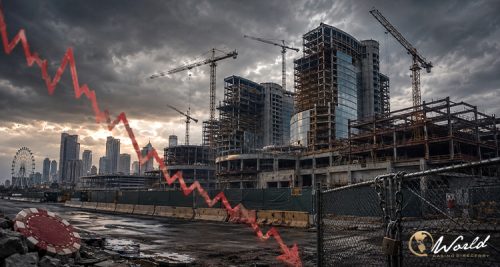
According to a recent report from Arden Consult International, more than 60% of the licensed gaming system administrators (or GSAs) in the Philippines were failing to meet the regulator's minimum revenue targets in Q2 of 2026. That's a huge number. We're talking about the majority of licensed operators struggling to hit their marks.
### What's Behind the Revenue Shortfall?
The shortfall isn't happening in a vacuum. It coincides directly with a new policy from the Philippine Amusement and Gaming Corp., better known as PAGCOR. They've rolled out something called a Minimum Guaranteed Fee, or MGF for short. The idea is simple on the surface: to ensure that licensed operators are contributing a required level of economic activity and not just holding onto a license without generating substantial business. It's a fee designed to separate the serious players from the rest.
Think of it like a membership fee for a premium club. If you want to keep your seat at the table, you need to prove you can afford the dues. Only in this case, the dues are tied directly to your revenue performance. If you're not hitting certain benchmarks, that fee becomes a much heavier burden.
### The Pressure Is Building for Weaker Firms
This new MGF policy is acting like a pressure cooker for companies that were already on shaky ground. For operators with strong, consistent revenue, it's a manageable cost of doing business. But for those with weak or limited income streams? It's a different story entirely. The policy is actively increasing the financial strain, forcing a hard look at the books. Some are now seriously considering their options, which could include exiting the market altogether. It's a classic case of regulatory change accelerating a natural shakeout.
This situation highlights a few key things for anyone watching the global online gaming landscape:
- **Regulatory environments are never static.** What works today might be challenged tomorrow by new fees or compliance rules.
- **Scale and stability matter more than ever.** Smaller or less profitable operators are the most vulnerable when new financial requirements hit.
- **Market exits can reshape an industry.** If a significant number of these GSAs do pull out, it could consolidate power among the remaining larger firms and potentially alter service offerings.
It's a reminder that in regulated industries, the goalposts can move. Companies build their strategies around a certain set of rules, and when those rules change—especially the financial ones—it forces immediate adaptation. For some, that adaptation might mean finding new efficiencies or markets. For others, it might mean the end of the road in the Philippines. The next few quarters will be critical in showing just how many can weather this new fee structure and who decides the cost is simply too high to stay in the game.