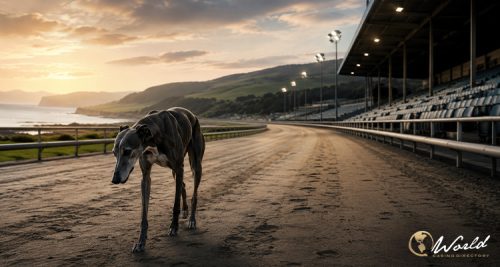
New Zealand's commercial greyhound racing has officially ended after 78 years. The final race at Hatrick Raceway closed the chapter, following a government ban driven by welfare concerns. Here's what it means for the sport, the dogs, and the industry.
It's official: after nearly eight decades, commercial greyhound racing in New Zealand is done. The final race meeting took place at Hatrick Raceway in Whanganui on July 31, just before a nationwide ban took effect on August 1. The last official race was scheduled for 6:55 pm local time, marking the end of an era that many saw coming for a long time.
This wasn't a sudden decision. Racing Minister Winston Peters announced the government's plan back in late 2024, following years of mounting concerns over injury and death rates among the dogs. For a sport that had been a staple of the country's gambling and entertainment scene, the writing was on the wall. But the real story here isn't just about the ban—it's about what happens when a society decides that tradition isn't worth the cost.
### Why Did New Zealand Finally Say Enough?
The ban didn't come out of nowhere. For years, animal welfare groups had been pushing for stricter oversight, pointing to the grim statistics that kept piling up. Greyhounds were getting injured on the track, and many were euthanized when they could no longer compete. The numbers were hard to ignore, and public sentiment shifted.
When the government finally stepped in, it wasn't just about the injuries. It was about the broader question of whether it's ethical to breed and race animals for entertainment and profit. New Zealand's answer, after 78 years, was a firm no. That's a bold stance, especially when you consider how deeply rooted the sport was in local culture and betting habits.
The ripple effects are already being felt. Trainers are out of work, tracks are closing, and thousands of dogs need new homes. But here's the thing: this isn't a story of failure. It's a story of a country making a hard choice, and a lot of people are watching to see how it plays out.
### What Happens to the Dogs and the People?
One of the biggest concerns was always: what happens to the greyhounds? The good news is that rehoming efforts have been ramping up for years. Many retired racers have already found families, both in New Zealand and abroad. Adoption programs have been working overtime to place as many dogs as possible before the ban fully kicked in.
For the humans involved, it's a tougher road. Trainers, track staff, and others who built their livelihoods around the sport are having to pivot. Some are moving into other forms of animal care, while others are leaving the industry entirely. It's a reminder that big policy changes always have human costs, even when the moral argument is clear.
### The Bigger Picture: What Other Countries Can Learn
New Zealand's move didn't happen in a vacuum. Similar debates are playing out in other countries where greyhound racing is still legal. The United States, for example, has seen a steady decline in the sport, with Florida banning it back in 2018. The momentum is real, and New Zealand's decision adds weight to the argument that racing dogs for profit is a fading practice.
Here's a quick look at where things stand globally:
- **United States**: Only a few tracks remain, mostly in West Virginia and Arkansas.
- **United Kingdom**: The sport is still running, but with tighter welfare rules.
- **Australia**: Several states have already banned it, with others considering similar moves.
It's not hard to see the trend. When one country makes a bold move, it gives others the cover to do the same. New Zealand might have been the one to pull the trigger, but the conversation is far from over.
### What's Next for New Zealand's Gambling Scene?
With greyhound racing gone, the betting landscape in New Zealand is shifting. Horse racing is still going strong, and online gambling continues to grow. The void left by greyhound racing isn't going to be filled overnight, but the industry is adapting.
For bettors, it's a change of pace. For the animals, it's a second chance at a real life. And for the rest of the world, it's a case study in how to handle the tricky intersection of tradition, ethics, and entertainment.
This isn't just a story about a sport ending. It's a story about a country deciding that some things are worth more than a bet. And honestly, that's a pretty good way to look at it.