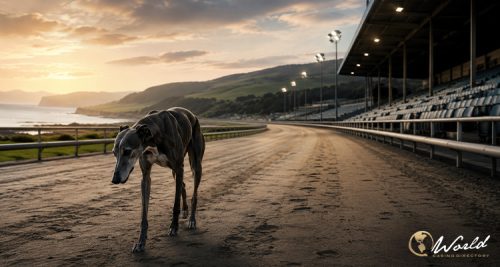
New Zealand officially banned commercial greyhound racing on August 1, ending 78 years of the sport. The final race at Hatrick Raceway marked a historic shift driven by animal welfare concerns and government action.
When the final greyhound crossed the finish line at Hatrick Raceway in Whanganui on July 31, it wasn't just the end of a race—it was the end of an era. New Zealand officially banned commercial greyhound racing nationwide on August 1, closing the book on a sport that had operated in the country for nearly eight decades. The last official race was scheduled for 6:55 pm local time, and with it, a tradition that many thought would never disappear came to a sudden, deliberate halt.
The decision didn't come out of nowhere. Racing Minister Winston Peters announced the government's plan back in late 2024, and the reasoning was stark: too many dogs were getting injured or dying. For years, animal welfare groups had been sounding the alarm, and the evidence finally tipped the scales. This wasn't a close call or a narrow vote—it was a clear statement that the sport's cost in canine lives had become unacceptable.
### Why Did This Take So Long?
You might wonder why it took 78 years for this to happen. The truth is, greyhound racing has deep roots in New Zealand's gambling culture. It wasn't just about the dogs—it was about the betting, the tracks, the jobs, and the communities that grew up around race days. But as public awareness grew, so did the pressure. Reports of injuries, euthanasia rates, and the darker side of the industry made it impossible to ignore.
Here's what the government pointed to when making its case:
- Injury rates that consistently exceeded those of other racing animals
- A high number of greyhounds being euthanized after their racing careers ended
- Growing public opposition and declining attendance at tracks
- The economic argument that the industry was no longer sustainable without heavy subsidies
### What Happens to the Dogs Now?
That's the question everyone's asking, and it's a fair one. The ban doesn't mean the dogs are simply left to fend for themselves. Rehoming programs have been set up to find adoptive families, and the government has committed funding to support the transition. Groups like Greyhound Racing New Zealand have been working with rescue organizations to place as many dogs as possible in loving homes. It's not a perfect system, and some dogs will still face challenges, but the goal is clear: no dog should be put down simply because the sport that used them no longer exists.
### A Ripple Effect Beyond New Zealand
This move is being watched closely around the world. The United States still has active greyhound racing in a few states, though the numbers have dwindled dramatically over the past decade. Florida, which was once the heart of American greyhound racing, banned it back in 2018, and that decision took full effect in 2020. Now, with New Zealand joining the list of countries that have said enough, the pressure is mounting on the remaining holdouts.
The pattern is unmistakable. When one domino falls, the others start to wobble. And in this case, the wobbling is happening in places where the sport has been struggling for years to justify its existence.
### What This Means for Gambling and Entertainment
Let's be honest—greyhound racing was never just about the dogs. It was about the thrill of the bet, the roar of the crowd, and the ritual of a night out. But as attitudes shift and people become more conscious of where their entertainment dollars go, the industry has had to adapt. In New Zealand, that adaptation has now reached its logical endpoint. The tracks are closing, the betting windows are shuttering, and the dogs are going home.
For the people who worked in the industry, it's a tough transition. Trainers, track staff, and breeders are losing their livelihoods. The government has pledged support for these workers, but retraining and finding new careers takes time. It's a reminder that progress often comes with a cost, even when it's the right thing to do.
### The Bigger Picture
This isn't just a story about dogs or racing—it's a story about how society decides what's acceptable. For 78 years, commercial greyhound racing was part of New Zealand's fabric. Now, it's gone. The final race at Hatrick Raceway wasn't just a sporting event; it was a moment of reckoning. And while the dogs can't speak for themselves, the message was clear: their welfare matters more than tradition.
As other countries watch New Zealand take this step, the question becomes less about whether greyhound racing will end everywhere, and more about when. For the dogs, that can't come soon enough. For the industry, the writing is on the wall. And for the rest of us, it's a reminder that change is possible, even when it takes decades to get there.