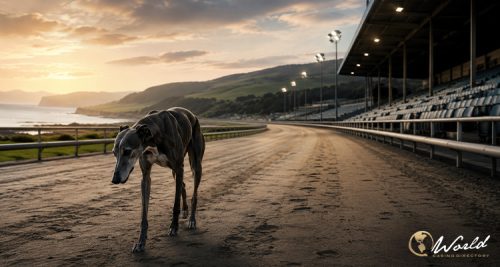
New Zealand has officially ended commercial greyhound racing after 78 years, with the final race held at Hatrick Raceway. The ban follows years of welfare concerns and could set a global precedent.
When the gates open for the last time at a greyhound track, you'd expect cheers, not silence. But that's exactly what happened in New Zealand on July 31, when the country's final commercial greyhound race took place at Hatrick Raceway in Whanganui. By the next morning, a nationwide ban had kicked in, ending a sport that had been part of the local fabric for nearly 78 years.
This wasn't a sudden decision or a snap vote. It was the result of a long, deliberate process that started with a government announcement in late 2024. Racing Minister Winston Peters made it official, citing years of mounting evidence about the toll the sport was taking on the animals themselves. For many, the writing had been on the wall for a while, but that didn't make the final race any less emotional.
### Why Did New Zealand Pull the Plug?
The ban wasn't about public opinion polls or a single tragic incident. It came down to numbers that were hard to ignore. Injury rates were climbing, and the number of dogs that died as a direct result of racing was a constant source of concern for animal welfare groups. When the government crunched the data, the conclusion was clear: the risks to the animals simply outweighed the benefits of keeping the sport alive.
Some supporters of the sport argued that reforms could have fixed the issues. But the government decided that enough was enough. Instead of trying to patch up a system that kept failing, they chose to end it altogether. It's a bold move, and one that other countries are now watching closely.
### What Happens to the Dogs Now?
This is where the story gets a bit more hopeful. The ban didn't just leave thousands of greyhounds without a home. A solid rehoming plan was put in place to help the dogs transition into retirement. Many have already been adopted by families across the country, while others are being cared for by rescue organizations.
Here's a quick look at what the transition involves:
- **Adoption drives**: Local shelters and rescue groups have been working overtime to find forever homes for racing greyhounds.
- **Foster programs**: Some dogs are going into foster care while they wait for permanent adoption.
- **Retirement facilities**: For dogs that can't be rehomed, dedicated facilities are stepping in to provide long-term care.
It's not a perfect system, and there are still challenges ahead. But the fact that there's a plan at all shows that the end of racing didn't mean the end of care.
### What Does This Mean for the Rest of the World?
New Zealand isn't the first country to ban greyhound racing, but it's one of the most significant. The move sends a strong signal to other nations where the sport is still going strong. In the United States, for example, only a handful of tracks remain, and the pressure to follow suit is growing.
The conversation around animal welfare in sports is shifting. People are asking harder questions about what happens behind the scenes, and they're not always liking the answers. New Zealand's decision might just be the tipping point that pushes other jurisdictions to take a closer look at their own practices.
### The Human Side of the Story
It's easy to focus on the policy and the politics, but there's a human element here too. Trainers, handlers, and track workers have lost their livelihoods. Some have spent decades in the industry, and the transition hasn't been easy for them. The government has offered support packages and retraining programs, but it's still a tough pill to swallow.
One trainer told local media that he'd been with greyhounds his whole life, and now he's not sure what to do next. That kind of uncertainty is real, and it's worth remembering as we talk about progress. Ending a sport isn't just about the animals; it's about the people who built their lives around it.
### The Road Ahead
As of August 1, commercial greyhound racing is officially a thing of the past in New Zealand. The tracks are quiet, the kennels are emptying, and a new chapter is beginning for thousands of dogs. Whether this sets a global precedent remains to be seen, but one thing is certain: the conversation about animal sports is never going to be the same again.
For now, the final race at Hatrick Raceway stands as a bittersweet milestone. It's the end of an era, but also the start of something new. And for the dogs, that's the best outcome anyone could have hoped for.