NFL Takes Bold Stand on Prediction Markets at Supreme Court
Dr. Annelies De Vos ·
Listen to this article~4 min
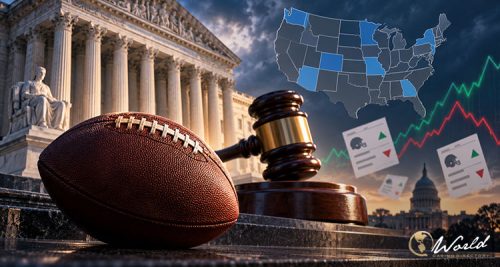
The NFL urges the Supreme Court to let states regulate sports prediction markets, arguing they're akin to sports betting. The outcome could reshape gambling laws nationwide.
The NFL just made a move that could reshape how sports prediction markets operate across the United States. In a recent filing, the league asked the U.S. Supreme Court to uphold state authority over these markets, arguing that contracts tied to game outcomes should be regulated like traditional sports betting. This isn't just a legal squabble—it's a high-stakes battle that could affect everything from how you bet on your favorite team to how states control gambling within their borders.
### The Core of the Dispute
The NFL filed an amicus brief supporting New Jersey in its legal fight against Kalshi, a prediction market platform. At the heart of the case is a simple but powerful question: does federal commodities law give the Commodity Futures Trading Commission (CFTC) exclusive authority over sports event contracts, or can states apply their own gambling laws to these products? The NFL clearly believes states should have the final say.
In its brief, the league didn't mince words. It argued that prediction-market activity tied to football games is essentially no different from sports betting—and should be treated as such. That means if a state prohibits sports betting, it should also be able to ban prediction markets on sporting events.
### Why the NFL Cares
You might wonder why the NFL is getting involved in a legal fight over financial regulations. The answer is simple: integrity of the game. The league has long opposed the expansion of sports betting, fearing it could lead to game-fixing scandals and erode fan trust. Prediction markets, which allow people to buy and sell contracts based on the outcome of games, blur the line between financial trading and gambling.
If the Supreme Court rules in favor of the CFTC's exclusive authority, it could open the floodgates for prediction markets to operate nationwide, even in states that have chosen not to legalize sports betting. That's a scenario the NFL wants to avoid at all costs.
### What This Means for You
If you're a fan who enjoys a friendly wager or participates in prediction markets, this case could directly impact you. Here's what's at stake:
- **State control:** If the NFL wins, states retain the power to decide whether prediction markets can operate within their borders.
- **Uniformity vs. local preference:** A loss for the NFL could create a patchwork of federal oversight, potentially overriding state gambling laws.
- **Future of sports betting:** The outcome could set a precedent for how other sports leagues and financial products are regulated.
> "The NFL's position is clear: sports prediction markets should be subject to the same rules as sports betting, and states should be the ones calling the shots," the league stated in its brief.
### The Bigger Picture
This isn't just about football. It's about the growing intersection of finance, technology, and sports. Prediction markets have exploded in popularity, offering a new way for fans to engage with games. But with that growth comes regulatory uncertainty. The Supreme Court's decision will likely shape the future of this industry for years to come.
For now, all eyes are on the justices. Will they side with the NFL and New Jersey, preserving state authority? Or will they hand a victory to the CFTC, potentially ushering in a new era of federal oversight? Either way, the outcome will have ripple effects far beyond the gridiron.
As the case unfolds, one thing is certain: the NFL isn't backing down. And neither are the states that want to keep gambling regulation in their own hands.