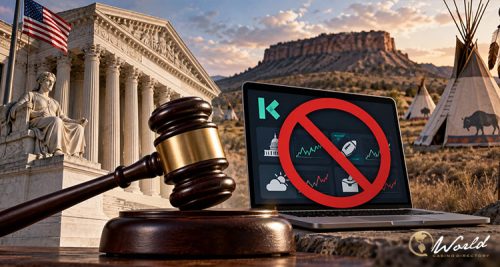
Ninth Circuit Ruling: Kalshi Sports Contracts Blocked on Tribal Lands
Dr. Annelies De Vos ·
Listen to this article~3 min
A federal appeals court has backed two California tribes in their legal challenge against Kalshi's sports event contracts on tribal lands, reversing a key part of an earlier district court decision.
In a significant legal development, the Ninth Circuit Court of Appeals has sided with two California tribes in their challenge against Kalshi's sports event contracts on tribal lands. The unanimous three-judge panel reversed a key part of an earlier district court decision and sent the request for a preliminary injunction back for further consideration. This means the tribes' case will get another look, and Kalshi's operations on tribal lands are now in question.
### What Exactly Happened?
The case involves Blue Lake Rancheria and Chicken Ranch Rancheria of Me-Wuk Indians, who argued that Kalshi's sports-related contracts violate tribal sovereignty and gaming regulations. The Ninth Circuit found that the tribes are likely to succeed on their claims, which is a major blow to Kalshi's expansion plans. The court's decision doesn't immediately ban the contracts, but it sets the stage for a possible injunction.
### Why This Matters for Tribal Gaming
Tribal casinos have long been a cornerstone of economic development for many Native American communities. They operate under the Indian Gaming Regulatory Act (IGRA), which gives tribes the exclusive right to offer certain types of gaming within their lands. Kalshi, a federally regulated exchange, offers event contracts that some argue amount to sports betting. If allowed on tribal lands, it could undermine tribal gaming revenues.
> "This ruling affirms that tribal sovereignty must be respected and that off-reservation gaming operations cannot simply bypass our laws," said a representative for the tribes.
### What's Next for Kalshi?
The case now returns to the district court, which will reconsider the preliminary injunction. Kalshi may need to pause its sports contracts on tribal lands while the legal battle continues. For now, the company hasn't commented on whether it will comply voluntarily or wait for a court order.
### The Bigger Picture
This isn't just about one company or two tribes. It's part of a larger conversation about how new forms of gambling—like prediction markets—fit into existing regulations. As more states legalize sports betting, the lines between tribal and commercial gaming are blurring. Courts will likely play a key role in sorting out these conflicts.
For now, the Ninth Circuit's decision sends a clear message: tribal rights are not to be taken lightly. And for Kalshi, the road ahead just got a lot bumpier.