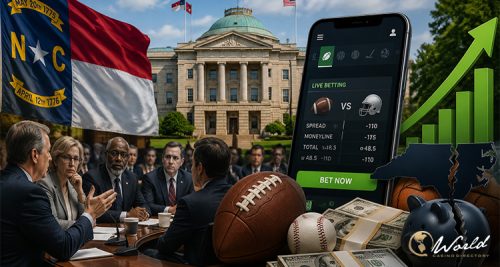
North Carolina lawmakers are considering tax hikes on sports betting and lottery activity to fund teacher raises and state employee pay. Behind closed doors, talks include raising operator tax rates and adding new taxes on wagers and lottery purchases.
North Carolina lawmakers are taking a hard look at possible tax increases tied to sports betting and lottery activity. They're working through budget negotiations that include raises for teachers and state employees, and the numbers just aren't adding up. Behind closed doors, discussions have centered on raising the current tax rate paid by sports betting operators and adding new taxes on lottery purchases and individual wagers, according to reports from WRAL citing people familiar with the talks. Those sources spoke anonymously because they weren't authorized to discuss the details publicly.
This isn't just a random idea. It's part of a broader push to find new revenue streams without slamming everyday folks with broad-based taxes. But let's be real—sports betting and lottery players could end up feeling the pinch.
### What's on the Table?
Lawmakers are reportedly weighing a few specific changes:
- Raising the tax rate for sports betting operators, which currently sits at 18% of gross gaming revenue.
- Adding a new tax on lottery purchases, which could mean higher prices for scratch-offs and Powerball tickets.
- Imposing a tax on individual wagers, so every bet you place might come with a small fee.
These ideas are still in the negotiation phase, but they signal a shift in how the state views gambling revenue. It's no longer just about legalization—it's about maximizing the return.
> "We're looking at every option to fund critical priorities like education and infrastructure," one source told WRAL. "Nothing is off the table."
### Why Now?
North Carolina legalized sports betting in 2023, and the market has grown faster than many expected. But the state's budget needs are also growing. Teacher salaries in the state lag behind the national average by about $10,000 per year, and lawmakers are under pressure to close that gap. At the same time, inflation has pushed up costs for everything from road repairs to public health programs.
This isn't unique to North Carolina. Across the country, states are looking at gambling revenue as a way to plug budget holes. In 2024, states like Ohio and Massachusetts also proposed tax hikes on sports betting. The trend is clear: once gambling is legalized, the taxman isn't far behind.
### What It Means for Bettors
If these taxes go through, you'll likely see some changes at the betting window. Operators might pass the cost on to customers through lower odds or higher fees. Lottery players could face higher ticket prices, which might cut into the fun of a casual $2 Powerball ticket.
But there's a silver lining. The extra revenue could fund things we all care about—like better schools and safer roads. It's a trade-off, and it's one that lawmakers are wrestling with right now.
### The Bigger Picture
This debate highlights a key tension in gambling policy. States want the economic boost from legalized betting, but they also want to avoid encouraging problem gambling. Higher taxes might reduce participation, which could actually hurt revenue in the long run. It's a delicate balance.
For now, nothing is set in stone. The budget negotiations are expected to continue for several more weeks, and the final outcome could look very different from what's being discussed today. But one thing is certain: North Carolina's gambling landscape is evolving, and bettors should keep an eye on Raleigh.