Two Sports Betting Giants Just Sued Missouri — Here's Why It Matters
Dr. Annelies De Vos ·
Listen to this article~3 min
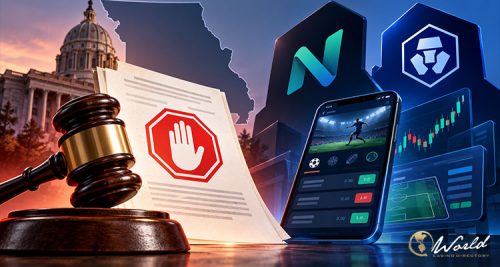
Novig and Crypto.com have filed federal lawsuits against Missouri over cease-and-desist letters that demanded they stop offering sports event contracts or get state authorization. The cases could reshape how prediction markets operate nationwide.
Imagine you're running a business that offers sports event contracts. You've been operating legally under federal rules. Then one day, Missouri's Attorney General sends you a cease-and-desist letter. That's exactly what happened to Novig and Crypto.com — and now they're fighting back in federal court.
### The Cease-and-Desist Letters
In September, Attorney General Catherine Hanaway sent cease-and-desist letters to six prediction market operators. The letters gave them 30 days to either stop offering sports event contracts or get authorization under Missouri gambling laws. Novig and Crypto.com decided to challenge the order instead of complying.
### The Federal Lawsuits
Both companies filed separate federal lawsuits against Missouri. They're asking federal courts to block state officials from enforcing sports wagering restrictions against their products. Their core argument? Federal law governing derivatives should preempt state gambling laws. In other words, they believe the Commodity Futures Trading Commission (CFTC) has authority over these contracts, not the state.
> "This isn't just about Missouri," one industry analyst noted. "It's about whether states can override federal oversight of financial products that look a lot like sports bets."
### What Are Prediction Markets, Anyway?
Prediction markets let people trade contracts on the outcome of future events — elections, economic indicators, and yes, sports. They're regulated as derivatives at the federal level. But states like Missouri see sports event contracts as a form of sports betting, which they regulate separately. That's the clash.
### Why This Matters for the Industry
If Novig and Crypto.com win, it could open the door for prediction markets to operate nationwide without state gambling licenses. If Missouri wins, other states might follow suit and crack down on these platforms. Either way, the outcome will shape how sports betting and prediction markets coexist in the U.S.
- **Federal preemption:** The lawsuits argue that federal derivatives law trumps state gambling laws.
- **Regulatory turf war:** The CFTC vs. state attorneys general — who gets to regulate sports event contracts?
- **Consumer impact:** If prediction markets are forced to get state licenses, costs could rise and access could shrink.
### The Road Ahead
These cases are likely to take months, possibly years. In the meantime, other prediction market operators are watching closely. Some may choose to comply with state demands; others might file similar lawsuits. One thing's for sure: the line between financial derivatives and sports betting is getting blurrier by the day.
So next time you see a prediction market offering odds on a big game, remember — there's a legal battle brewing behind the scenes. And it's about more than just whether you can place a bet. It's about who makes the rules.