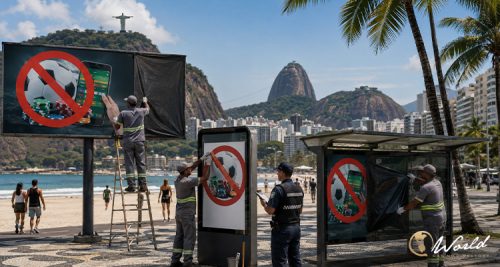
Rio de Janeiro becomes first Brazilian state capital to ban sports betting ads in public spaces, following federal crackdown. Decree 58,274 targets outdoor ads, street furniture, and city events.
Rio de Janeiro has just dropped a bombshell on the sports betting industry. As the first state capital in Brazil to ban sports betting ads in public spaces, this city is setting a precedent that could ripple across the country. You might be wondering what this means for operators, players, and the future of gambling marketing. Let's break it down in a way that feels like we're chatting over coffee.
### What Exactly Happened?
On Monday, Rio de Janeiro published Decree No. 58,274 in its official gazette, and the ban took effect immediately. This municipal restriction targets outdoor advertising locations, street furniture, city-sponsored events, and other public areas. Think about it: no more billboards for betting brands on busy avenues, no ads on bus stops or benches, and no promotions at city festivals. It's a direct hit on the visibility of sports betting operators.
This move follows recent federal actions in Brazil aimed at tightening controls on gambling marketing. The federal government has been pushing for stricter regulations, and Rio is now leading the charge at the local level. It's a clear signal that the tide is turning against unfettered gambling ads.
### Why This Matters for the US Market
Now, you might be thinking, "I'm in the United States, why should I care?" Well, the US has its own complex relationship with sports betting. Since the Supreme Court overturned PASPA in 2018, states have been legalizing sports betting left and right. But with that growth comes scrutiny. Rio's ban could inspire similar moves in US cities, especially those concerned about problem gambling and the saturation of betting ads.
Consider this: in the US, sports betting ads are everywhere—during games, on social media, even on public transit. If Rio's approach proves effective, we might see city councils in New York, Chicago, or Los Angeles considering similar restrictions. It's a trend worth watching.
### The Immediate Impact on Operators
For betting operators, this is a major headache. Outdoor advertising is a cornerstone of brand awareness. Without it, they'll need to pivot to digital channels, partnerships, or in-stadium promotions. But even those avenues might face tighter regulations down the line.
- **Reduced Visibility**: Operators lose prime real estate for reaching casual bettors.
- **Higher Costs**: Digital ads can be more expensive per impression, especially with competition.
- **Reputation Shift**: The ban implies that betting ads are harmful, which could influence public perception.
### What Players Should Know
If you're a bettor in Rio, don't panic. The ban doesn't affect your ability to place bets online or in licensed venues. It only restricts how operators can advertise in public. You'll still see ads on TV, radio, and online platforms—for now. But this could be the first domino. If other cities follow, the landscape of sports betting marketing in Brazil might change entirely.
> "This isn't just about Rio; it's about the future of gambling advertising worldwide."
### The Bigger Picture: Global Trends
Rio's move isn't happening in a vacuum. Countries like Italy, Spain, and Australia have already restricted gambling ads. In the UK, a review is underway to tighten rules further. The US is also seeing calls for action. For instance, a recent study found that sports betting ads during NFL games increased by 40% year-over-year. That kind of exposure raises concerns about addiction and underage gambling.
### What Comes Next?
Rio's decree could be a test case. If it reduces problem gambling rates or changes public attitudes, other cities might adopt similar measures. On the flip side, operators might challenge the ban in court, arguing it violates free speech or commercial rights. The outcome will shape how cities balance economic interests with public health.
For now, keep an eye on Brazil. This is a story that's just beginning. And for US professionals in the gambling industry, it's a reminder that regulation can come from unexpected places. Stay informed, stay adaptable, and maybe start thinking about alternative marketing strategies.