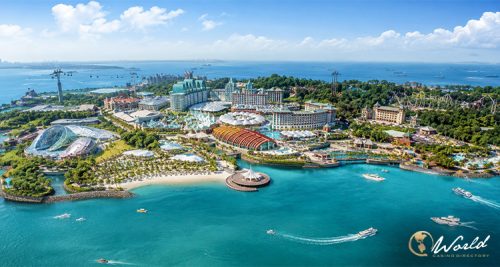
Singapore's Greater Sentosa Master Plan aims to double visitors to 40 million by 2030 by integrating Brani Island with eco-friendly developments, new attractions, and improved transport. A 20-year blueprint for sustainable tourism growth.
Singapore just dropped some big news that's going to reshape its tourism landscape for decades. The Sentosa Development Corporation (SDC) unveiled the Greater Sentosa Master Plan (GSMP) on July 3 at the 'Your Island. Reimagined.' exhibition in VivoCity. This isn't just a facelift—it's a full-blown 20-year blueprint that will transform Sentosa Island into a world-class tourism hub, and it's bringing neighboring Brani Island along for the ride.
Right now, Sentosa draws about 20 million visitors a year. The goal? Double that number by 2030. That's a huge leap, but the plan is packed with eco-friendly developments, new attractions, hotels, and better transportation to make it happen. Thien Kwee Eng, CEO of SDC, said the vision is to create a place where people want to spend more time, not just a quick stop. It's about making the island feel like a real destination, not just a day trip.
### What's the Big Deal About Brani Island?
Here's where it gets interesting. Brani Island, which is about 120 hectares (that's roughly 297 acres for us in the U.S.), is currently a military base. But under this plan, it'll be integrated into the Sentosa experience. Think of it as adding a whole new neighborhood to an already popular spot. The idea is to connect the two islands seamlessly, so visitors can hop from one to the other without missing a beat.
This expansion isn't just about size—it's about variety. Brani Island will host new attractions, hotels, and maybe even some entertainment options that cater to different tastes. Plus, the whole thing is being designed with sustainability in mind. That means green spaces, energy-efficient buildings, and maybe even some cool eco-transport options like electric shuttles or bike paths.
### A Timeline That Spans Decades
This isn't a quick fix. The GSMP is a 20-year plan, which means we'll see changes rolling out in phases. The first phase is expected to focus on infrastructure—things like improving the monorail system, adding new ferry terminals, and making sure the roads can handle the extra traffic. Later phases will bring in the flashy stuff: new hotels, theme parks, and maybe even a revamped casino district.
Speaking of casinos, you might be wondering how this affects the gambling scene. Sentosa already has Resorts World Sentosa, which is a major player in Asia's casino market. The master plan doesn't directly mention expanding the casino, but it's safe to assume that more visitors means more potential for gaming revenue. For professionals in the casino industry, this is a signal to watch closely—especially if you're tracking trends in the U.S. market.
### Why This Matters for U.S. Tourism Pros
You might be thinking, "I'm in the U.S., why should I care about a Singapore island?" Well, here's the thing: the GSMP is a case study in how to grow tourism without wrecking the environment. It's about balancing economic growth with sustainability, which is a challenge every destination faces. Plus, if you're in the casino or hospitality biz, you know that what works in Singapore often inspires trends in Las Vegas, Macau, and beyond.
Another angle: the U.S. has its own island destinations—think Hawaii, Puerto Rico, or even the Florida Keys. Seeing how Singapore handles this kind of expansion could give you ideas for your own market. The focus on eco-friendly development is especially relevant, since travelers are increasingly choosing green options.
### Key Takeaways from the Plan
Here's a quick rundown of what's coming:
- **Double the visitors**: From 20 million to 40 million per year by 2030.
- **Brani Island integration**: Adds 297 acres of new space for attractions and hotels.
- **Eco-friendly focus**: Green buildings, sustainable transport, and conservation areas.
- **Better connectivity**: Upgraded monorail, new ferry routes, and improved roads.
- **Long-term commitment**: 20-year phased rollout, so expect steady changes.
### What's Next?
The exhibition at VivoCity runs through July, and it's giving locals and tourists a sneak peek at what's to come. SDC is also collecting feedback, so the final plan might shift a bit based on public input. For now, though, the vision is clear: Sentosa and Brani will become a mega-destination that competes with the best in the world.
If you're in the tourism or casino industry, this is one to watch. The U.S. market might not get a direct copy of this plan, but the strategies behind it—sustainability, integration, and phased growth—are universal. Plus, with the Asian market heating up, understanding these moves could give you an edge.
So, keep an eye on Sentosa. It's not just an island—it's a blueprint for the future of tourism.