SkyCity's 1H26 Earnings Dip on New Zealand Gaming Rules
Dr. Annelies De Vos ·
Listen to this article~4 min
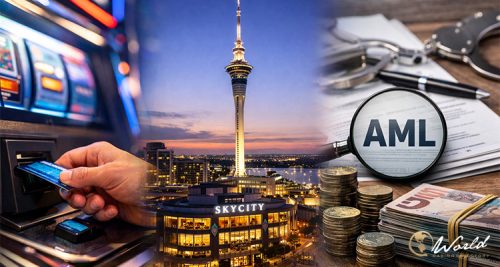
SkyCity's first-half earnings fell due to New Zealand's new carded play rules and higher anti-money laundering costs. Despite a 2.4% revenue dip, management is confident for the full year, banking on their new convention center for growth.
Let's talk about what's happening with SkyCity Entertainment Group. You know, the big casino and entertainment operator? Their latest financial results for the first half of fiscal 2026, which ended December 31, 2025, show things got a bit tougher. Earnings took a hit, and there are two main reasons why. It's a story about changing rules and the cost of doing business the right way.
First, there's this new mandatory carded play system in New Zealand. Think of it like a membership card for the casino floor. It's a regulation aimed at boosting player protection and responsible gambling, which is absolutely crucial. But from a pure business standpoint, it can slow things down. It changes how people enter and play, and that transition period often impacts revenue. It's a necessary shift, but it comes with growing pains.
Then there's the other big factor: Anti-Money Laundering, or AML, compliance. The costs here have gone up, and they've gone up significantly. Casinos globally are under intense scrutiny to prevent financial crime. Investing in better systems, more staff training, and enhanced monitoring isn't cheap. But it's non-negotiable. SkyCity is spending more here to ensure its operations are squeaky clean, and that spending directly weighs on their bottom-line profit.
### The Numbers Tell the Story
So, what did this mean for their books? Group-wide revenue for the six-month period declined by 2.4 percent. The company reported revenue of about $252.3 million USD. That's a dip, no doubt about it. It shows how operational shifts, even well-intentioned ones, can have a real financial impact in the short term.
Here's the interesting twist, though. Despite this softer first half, the company's management isn't hitting the panic button. Far from it. They've actually maintained their full-year guidance. That tells you they see a path forward and expect a stronger finish. It's a vote of confidence in their own strategy.
### Betting on the Convention Center
What's their ace in the hole? They're pointing to their new crown jewel: the recently opened New Zealand International Convention Center, or NZICC. This isn't just another building; it's a major strategic play. They're counting on this massive venue to be a key driver for growth in the second half of the year.
Think about it. A world-class convention center brings in a completely different type of customer. We're talking about business travelers, large conferences, and international events. This diversifies their revenue stream away from being solely reliant on gaming. It brings in high-spending visitors who will use the hotels, restaurants, and yes, potentially the casino too. It's a smart, long-term move.
As one industry observer recently noted, "The true test for integrated resorts isn't just weathering regulatory storms, but successfully pivoting to non-gaming revenue. That's where future stability lies."
So, where does this leave us? SkyCity is navigating a challenging period. The dual pressures of new player protection rules and rising compliance costs are very real headwinds. But the story isn't just about a revenue decline. It's about adaptation.
- **Short-term pain for long-term gain:** The investment in compliance and the adjustment to carded play are costs of building a more sustainable, responsible business.
- **Diversification is key:** The heavy reliance on the NZICC shows a clear shift. They're not just a casino company anymore; they're an integrated entertainment and hospitality destination.
- **Management's confidence:** Maintaining annual guidance suggests they have a clear plan to leverage their new assets and recover momentum.
For professionals watching the gaming and hospitality sector, SkyCity's situation is a fascinating case study. It highlights the modern pressures facing the industry: evolving regulations, soaring compliance demands, and the relentless push to find growth beyond the traditional casino floor. The second half of their fiscal year will be crucial to watch. Will the convention center deliver the boost they need? Can they manage these new operational costs efficiently? Their answers to those questions will define their path forward.