SkyCity Just Sold Auckland's Grand Hotel—Here's What It Means
Dr. Annelies De Vos ·
Listen to this article~3 min
SkyCity is selling Auckland's Grand Hotel for US$124 million as part of a debt-reduction strategy. Here's who's buying and why it matters for the region's hospitality market.
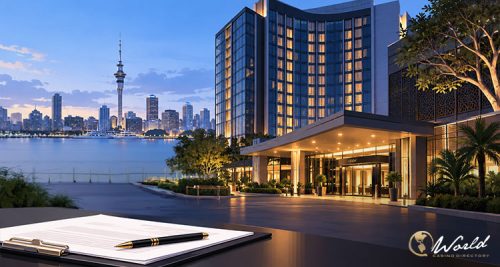
SkyCity Entertainment Group has officially signed a binding agreement to sell The Grand Hotel in Auckland, along with its associated business assets. The price tag? NZ$221 million—about US$124 million. It's a big number, and it tells a bigger story about where the company is headed.
This deal isn't happening in a vacuum. It's part of SkyCity's broader push to pay down debt by offloading property assets. In other words, they're trading real estate for breathing room on the balance sheet. Smart move or desperate one? Depends on who you ask.
### Who's Actually Buying the Grand Hotel?
The buyers are Eden Global Capital Private Limited (EGC) and Auckland City Collective Limited (ACCL). Both belong to a privately owned property investment and development organisation with interests stretching across Australia and Southeast Asia—including Singapore.
So this isn't a random fire sale. The purchasers are serious players with a regional footprint. They know what they're doing with premium real estate.
The deal was announced on October 16, and it's structured as a binding agreement—meaning both sides are locked in, pending approvals. And there are several of those, including consent from New Zealand's Overseas Investment Office. That regulatory step matters, especially when foreign-linked entities are involved.
### Why This Sale Matters Beyond Auckland
On the surface, this is a straightforward property transaction. But zoom out, and you see a company reshaping its priorities. SkyCity has been under financial pressure, and selling a flagship hotel is a meaningful lever to pull.
Here's what stands out:
- The sale price reflects strong demand for premium hospitality assets in Auckland.
- The buyers' regional reach suggests confidence in New Zealand's long-term tourism and business travel market.
- For SkyCity, the cash injection could stabilize operations and fund future investments.
"Property disposals like this aren't just about raising cash—they're about refocusing the core business on what actually drives value," one industry observer noted. That framing makes sense. Hotels are capital-heavy. Casinos and entertainment? Less so.
### What Happens Next?
The transaction still needs regulatory sign-off before it's final. Until then, it's business as usual at The Grand Hotel. But make no mistake—this is a signal. SkyCity is actively reshaping its portfolio, and this sale could be one of several moves to come.
For investors and industry watchers, the question isn't whether the deal closes. It's what SkyCity does with the proceeds—and whether this marks the start of a larger strategic shift.
Either way, Auckland's hospitality landscape is about to look a little different. And the ripple effects could reach well beyond New Zealand's shores.