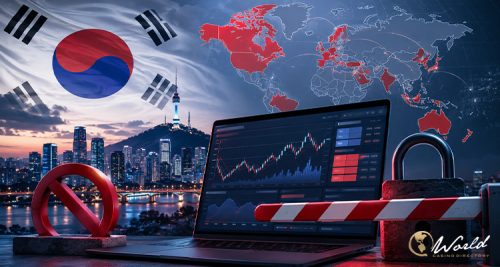
South Korea blocks Polymarket access, citing gambling law violations. The decision adds to a growing list of global crackdowns on prediction markets. Here's what it means for users and the future of online betting.
South Korean regulators have officially pulled the plug on Polymarket, blocking internet access to the prediction market platform within the country. Their reasoning? The service creates an environment that falls squarely within domestic prohibitions on gambling-related activities. It's a significant move, and one that puts South Korea on a growing list of jurisdictions cracking down on the platform over concerns about gambling laws and consumer protection.
The Korea Media and Communications Standards Commission (KMCSC) approved the measure after a thorough review of the platform's operations, according to CoinDesk. But what does this actually mean for the broader world of online betting and prediction markets? Let's break it down.
### Why South Korea Took This Step
South Korea has some of the strictest gambling laws in the world. For its citizens, almost all forms of gambling are illegal, with a few narrow exceptions like the state-run lottery and certain horse racing tracks. So when a platform like Polymarket started gaining traction, it didn't take long for regulators to sit up and take notice.
The KMCSC's decision wasn't sudden. It came after careful consideration of how the platform operates and whether it could be classified as a gambling service. In their view, the way Polymarket allows users to bet on real-world events—from election outcomes to weather patterns—crosses the line into prohibited territory.
### A Growing Global Trend
South Korea isn't alone in this approach. Over the past couple of years, we've seen a wave of regulatory action against prediction markets in various corners of the globe. France, for instance, blocked access to Polymarket last year. Singapore has also taken steps to restrict the platform. The common thread? Concerns about unregulated gambling and the potential for consumer harm.
What makes this particularly interesting is that these platforms often aren't classified as traditional casinos or sportsbooks. They operate in a gray area, using blockchain technology and smart contracts to facilitate bets on just about anything you can imagine. But regulators are increasingly saying that gray area isn't gray enough.
### What This Means for Users
If you're in South Korea and you've been using Polymarket, this change is immediate and real. The KMCSC has ordered internet service providers to block access to the site, which means you'll likely find yourself staring at an error message instead of a betting interface.
For users elsewhere, though, the situation is a bit more nuanced. This decision doesn't directly affect access in the United States or Europe, but it does signal a tightening regulatory environment. If you're involved in prediction markets, it's worth paying attention to how these decisions unfold.
Here are a few key takeaways to keep in mind:
- **Regulatory risk is real**: Just because a platform is accessible today doesn't mean it will be tomorrow. Jurisdictional crackdowns can happen quickly.
- **Consumer protection is the driving force**: Regulators keep coming back to the same core issue—protecting people from unregulated gambling activities.
- **The landscape is shifting**: As more countries take action, the pressure on platforms like Polymarket to adapt or face restrictions will only grow.
### The Bigger Picture for Online Gambling
This move is part of a larger conversation about how we regulate online gambling in the digital age. Traditional casinos and sportsbooks have clear licensing requirements and oversight. Prediction markets, on the other hand, often exist in a regulatory vacuum, which makes them a target for scrutiny.
South Korea's decision is a reminder that the rules we've built for physical gambling establishments don't always translate neatly to the digital world. But that doesn't mean regulators are willing to let these platforms operate without any oversight. If anything, they're doubling down on enforcement.
### What Happens Next
For now, Polymarket users in South Korea will need to look elsewhere if they want to bet on events. And for the platform itself, this is another obstacle in an increasingly complicated regulatory landscape. Whether they'll fight the decision or find a workaround remains to be seen.
One thing is certain: the conversation about prediction markets and gambling laws isn't going away. As more jurisdictions weigh in, we'll likely see more restrictions, more debates, and maybe even more clarity about where these platforms fit in the legal framework.
For now, if you're in a jurisdiction where Polymarket is still accessible, it's worth staying informed about the regulatory environment. These decisions can change quickly, and what's available today might not be tomorrow.
The bottom line? South Korea's move is a big deal for the prediction market industry. It's a signal that regulators are serious about enforcing gambling laws, even in the fast-moving world of blockchain-based betting. And for anyone involved in online gambling or prediction markets, it's a reminder that the rules of the game are still being written.