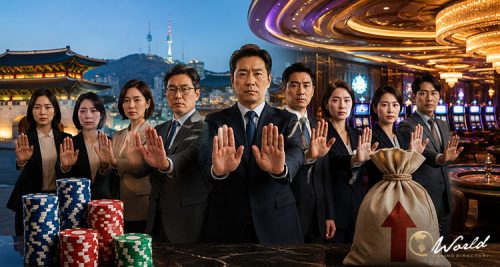
Twelve South Korean tourism organizations are pushing back against proposed casino reforms, warning that higher fees and stricter licensing could hurt the country's integrated resorts.
South Korea's tourism industry is not happy with the government's latest plans for casino reform. Twelve major organizations have joined forces to demand a rethink, and their reasons go straight to the heart of how the country wants to compete on the global stage.
At the center of the dispute are two proposed changes: higher financial contributions from casino operators and a new license renewal system. The groups argue these measures could seriously damage the competitiveness of Korea's integrated resorts, which are the big destination properties that combine hotels, entertainment, shopping, and gambling under one roof.
It's a classic tension between regulation and economic growth. The government wants more oversight and revenue, but the industry says the timing and the specifics could backfire in a big way.
### Who's Leading the Charge?
The pushback isn't coming from just one or two voices. It's a coordinated effort from the biggest names in Korean tourism, including:
- The Korea Casino Association
- The Korea Tourism Association
- The Korea Hotel Association
- The Korea Association of Travel Agents
Together, these groups represent a massive slice of the country's hospitality and travel economy. Their joint statement urges the Ministry of Culture, Sports and Tourism to withdraw the reform measures that are currently under review.
That's a strong word—"withdraw." They're not asking for tweaks or delays. They want the whole thing off the table.
### What's Really at Stake?
Think about what an integrated resort actually means for a destination. It's not just a casino. It's thousands of hotel rooms, restaurants, convention spaces, and entertainment venues. It's jobs, tax revenue, and a reason for international travelers to pick Seoul or Busan over Tokyo or Singapore.
If the financial burden on operators goes up, the argument goes, those resorts become less attractive to investors. And if the license renewal process becomes unpredictable or overly strict, operators might think twice about long-term commitments. That uncertainty can chill investment faster than almost anything else.
South Korea is already competing in a crowded neighborhood. Japan has been rolling out its own integrated resorts, and Macau and Singapore continue to dominate the region's gaming landscape. Every policy decision matters when you're trying to carve out your share of that market.
The tourism groups are essentially saying: don't hand our competitors an advantage. If you make it harder and more expensive to operate here, the money and the visitors will go elsewhere.
### A Familiar Debate
This isn't an unusual fight. Governments everywhere wrestle with how to balance the social costs of gambling against the economic benefits. On one hand, you want to protect consumers and ensure the industry operates with integrity. On the other, you don't want to strangle a sector that brings in real money and real jobs.
The Korean government is clearly trying to tighten the rules. But the industry's message is simple: the way you're doing it could do more harm than good.
What happens next is still unclear. The reforms are under review, and the ministry hasn't made a final decision. But with the country's major tourism bodies unified against the proposals, the pressure is definitely on.
For anyone watching the Asian gaming and hospitality market, this is a story worth following. The outcome could set a precedent for how other countries in the region approach their own casino industries in the years ahead.