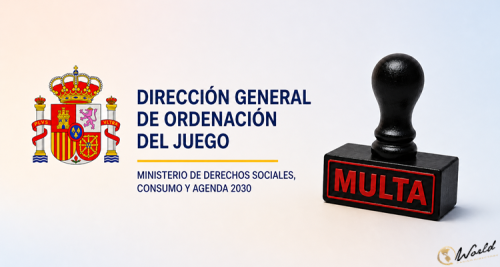
Spain's gambling regulator fined a media company $10,700 for promoting an unlicensed betting site, part of a $10.7 million enforcement campaign in Q1 2026. This highlights risks for US professionals in online gambling.
Spain's gambling regulator has fined a media production company for promoting an unlicensed betting operator, marking one of several enforcement actions taken during the first quarter of 2026. The penalty forms part of a broader campaign led by the Directorate General for Gambling Regulation (DGOJ), which issued more than $10.7 million in fines across multiple cases. Make Money Now S.A., the company behind the online content platform Zona Gemelos, initially received a $10,700 fine after authorities determined it had promoted an illegal gambling site to Spanish audiences.
### The Fine and Its Context
The DGOJ has been cracking down on illegal gambling promotion, and this case is a clear example of their commitment. The fine against Make Money Now S.A. might seem small compared to the total, but it sends a strong message: promoting unlicensed operators carries real consequences. The regulator issued over $10.7 million in total fines during the first quarter of 2026, targeting various violations across the gambling industry. This action aligns with Spain's strict gambling laws, which require all operators to hold a valid license to offer services to residents.
### Why This Matters for Professionals
For professionals in the online gambling sector, this case highlights the risks of working with unlicensed operators. Media production companies, especially those creating content for platforms like Zona Gemelos, need to be careful about the brands they promote. Even a single instance of promoting an illegal site can lead to fines, reputational damage, and legal scrutiny. The DGOJ is not just targeting operators; it's going after the entire supply chain, including affiliates and content creators.
### Key Takeaways from the Enforcement
- **Licensing is non-negotiable:** Always verify that any gambling operator you promote holds a valid license in the target jurisdiction.
- **Due diligence matters:** Research your partners thoroughly to avoid association with illegal activities.
- **Fines can be steep:** Even a $10,700 fine can hurt a small company, and larger violations can lead to penalties in the millions.
- **Regulatory trends:** Spain is part of a broader European trend toward stricter enforcement, so professionals in the US should watch for similar moves domestically.
### What This Means for the US Market
While this case is in Spain, it has implications for professionals in the United States. The US gambling market is highly regulated at the state level, and regulators are increasingly focused on illegal offshore operators. Affiliates and media companies promoting unlicensed sites face similar risks here. For example, states like New Jersey and Pennsylvania have fined companies for advertising illegal gambling operations. The message is clear: compliance is critical, and ignorance is not a defense.
### The Bigger Picture
The DGOJ's campaign is part of a global push to clean up the gambling industry. In 2026, regulators worldwide are sharing information and coordinating enforcement actions. This means that a company fined in Spain could face issues in other jurisdictions, including the US. For professionals, staying ahead of these trends is essential. It's not just about avoiding fines; it's about building a sustainable business that operates within the law.
### Final Thoughts
This case is a reminder that the gambling industry is under intense scrutiny. Whether you're a media producer, affiliate marketer, or operator, compliance should be at the core of your strategy. The DGOJ's actions show that regulators are willing to go after everyone involved in illegal promotion, not just the operators themselves. For US professionals, this is a wake-up call to review your practices and ensure you're not inadvertently supporting illegal activities. The $10,700 fine might be small, but the reputational damage can be much larger.