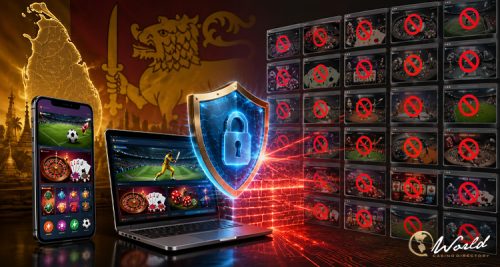
Sri Lanka blocks 24 unlicensed gambling websites in a major enforcement action under new laws. Here's what it means for operators, players, and the future of online betting.
Sri Lanka just sent a clear message to offshore operators: play by the rules, or get blocked. The country's telecom regulator has ordered internet service providers to shut down access to 24 gambling and betting websites that were operating without local licenses. It's a bold move, and it's one of the first big enforcement actions under the nation's freshly updated gambling laws.
If you've been following the global push to regulate online betting, you know this isn't just a small island making noise. It's a signal that smaller markets are done being ignored by international operators who thought they could fly under the radar. Let's break down what happened, why it matters, and what it could mean for the industry moving forward.
### What Exactly Happened?
The Telecommunications Regulatory Commission of Sri Lanka (TRCSL) issued a directive that forces all telecom providers in the country to block the identified platforms immediately. The legal muscle behind this comes from the Gambling Regulatory Authority Act No. 17 of 2025, which gives authorities the power to go after unlicensed operators aggressively.
According to the directive, the affected websites include several well-known international betting and gaming brands. While the full list hasn't been made public, the message is clear: if you're not licensed locally, you're not welcome.
### Why This Move Matters
This isn't just about Sri Lanka. It's part of a broader global trend where governments are tightening the screws on offshore gambling. For years, operators could set up shop in one jurisdiction and accept bets from players in another, often avoiding local taxes and regulations. That's changing fast.
- **Player protection**: Unlicensed sites often lack the safeguards that regulated platforms must follow, like age verification and responsible gambling tools.
- **Revenue recovery**: Blocking unlicensed sites pushes players toward local, taxed operators, which helps fund public services.
- **Legal clarity**: It removes the gray area for players who might not realize they're betting on an unlicensed platform.
### The Ripple Effect on Operators
If you're running an online casino or sportsbook, this is a wake-up call. The days of ignoring local licensing requirements are numbered. We're seeing similar enforcement in places like the UK, Germany, and even parts of the US, where states are cracking down on offshore operators.
Here's the thing: compliance isn't just about avoiding fines. It's about building trust. Players are getting smarter, and they're starting to check licenses before they deposit. A site that's blocked in one country could lose credibility everywhere.
### What Should Players Do?
If you're in Sri Lanka and you've been using one of these sites, you might feel frustrated right now. But honestly, this is probably a good thing for you. Licensed platforms offer better protections, clearer dispute resolution, and often more reliable payouts.
Here's a quick checklist if you're looking for a safe alternative:
- Check for a valid license from a recognized authority (like the UK Gambling Commission or Malta Gaming Authority).
- Look for secure payment methods and SSL encryption.
- Read reviews from other players to gauge reliability.
- Make sure the site offers responsible gambling tools, like deposit limits and self-exclusion.
### What's Next for Sri Lanka?
This is likely just the beginning. The new regulatory framework gives the authorities room to expand enforcement, and we can expect more blocklists in the coming months. The government is also working on a licensing system that could attract legitimate operators who want to do things by the book.
It's a delicate balance, though. Too much regulation can push players to unregulated markets, which is worse for everyone. The key will be creating a licensing process that's fair, transparent, and not prohibitively expensive for smaller operators.
### The Bigger Picture
This move by Sri Lanka is a reminder that the online gambling industry is entering a new era. It's no longer a wild west where anyone can operate without oversight. Governments are getting serious, and they have the technical tools to enforce their rules.
For operators, the message is simple: get licensed or get out. For players, it's about choosing platforms that are accountable and safe. And for the industry as a whole, it's a step toward legitimacy that could actually help everyone in the long run.
So, what do you think? Is this the right approach, or is it too heavy-handed? Drop your thoughts below—I'd love to hear how this plays out from your perspective.