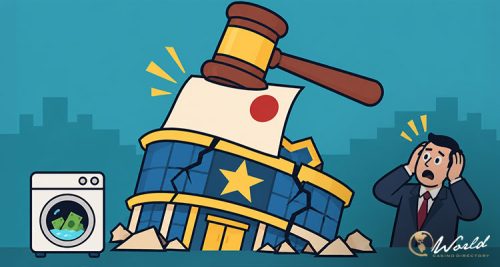
Star Entertainment's $260M Penalty: Why the Regulator Wouldn't Back Down
Dr. Annelies De Vos ·
Listen to this article~3 min
AUSTRAC chief Brendan Thomas defends the $260 million Star Entertainment penalty, rejecting claims the fine would bankrupt the casino operator after major AML failures.
When a company is staring down the barrel of a nine-figure fine, the obvious defense is to argue that paying it would sink the whole ship. That's exactly the argument Star Entertainment tried to make. And according to Australia's financial crime watchdog, it didn't hold water.
AUSTRAC, the country's anti-money laundering regulator, has publicly defended the $260 million penalty handed to Star Entertainment. Chief executive Brendan Thomas was blunt about it: he never bought the casino operator's claim that a fine this size would push the company into insolvency.
### What Actually Happened
The Federal Court ordered Star to pay the penalty last week, closing out a civil enforcement case that AUSTRAC first launched back in 2022. The case centered on widespread failures in anti-money laundering (AML) and counter-terrorism financing compliance — the kind of breakdowns that regulators take very seriously.
Here's the interesting part. AUSTRAC originally asked for $400 million. Star ended up paying $260 million. So the final number sits somewhere in the middle — a compromise, but hardly a slap on the wrist.
### Why the "We'd Go Broke" Argument Fell Flat
This is where it gets worth paying attention to. Large corporations facing penalties often lean on the insolvency defense. The logic seems reasonable on the surface: fine us too much, and we can't survive, which hurts employees, customers, and the economy.
But Thomas wasn't convinced. In his view, the argument didn't reflect the reality of Star's financial position. And a court ultimately agreed that a $260 million penalty was appropriate given the scale of the compliance failures.
> "The penalty needs to reflect the seriousness of the conduct — not just what a company says it can afford."
That tension — between punishing misconduct and keeping a business alive — is one regulators around the world wrestle with constantly.
### What This Means for the Broader Casino Industry
If you follow gambling regulation at all, this case is a signal. Regulators are getting more comfortable with large penalties, even against major operators. The message is fairly clear:
- Compliance failures carry real financial consequences
- The "too big to fine" defense is losing its power
- AML and counter-terrorism financing rules aren't optional extras
For operators, the takeaway is simple. Investing in compliance upfront is cheaper than fighting a nine-figure penalty later. That's true whether you're running a land-based casino or an online platform.
### The Bigger Picture
Star's $260 million penalty isn't just a headline number. It's a test case for how far regulators will go — and how much they'll push back when a company claims it can't survive the consequences of its own failures.
Thomas made his position clear, and the court backed it up. Whether that sets a lasting precedent is the question everyone in the industry is now quietly asking.