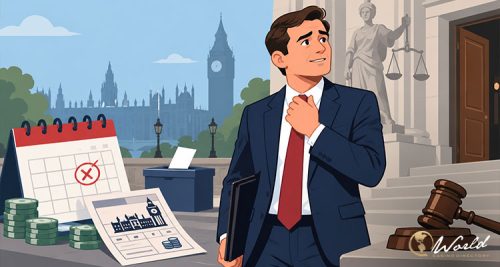
Three Conservative Party insiders avoided jail for betting on the 2024 election date with confidential info. Here's why they got suspended sentences and what it means for trust in politics and gambling.
When three Conservative Party insiders admitted to betting on the 2024 UK general election date using confidential information, many expected prison time. Instead, they walked out of Southwark Crown Court with suspended sentences. So what happened—and what does it mean for the integrity of elections and gambling?
### The Case: Insider Knowledge Turned Into Wagers
Anthony Lee, the party's former director of campaigning, his wife Laura Lee, and Amy Hind all pleaded guilty to cheating at gambling under Section 42 of the Gambling Act 2005. They used inside knowledge about the election timing to place bets before the public announcement. Judge Tony Baumgartner said their actions "risked undermining" public confidence in both the electoral process and the gambling industry.
But instead of immediate jail time, the judge handed down suspended prison sentences. That means they won't serve time behind bars unless they commit another offense. For many, it's a slap on the wrist—but the judge argued there were mitigating factors, including their guilty pleas and previous good character.
### Why Suspended Sentences?
Suspended sentences are often used when the crime isn't severe enough to warrant immediate incarceration, but still deserves punishment. The judge likely considered that the bets were relatively small (though the exact amounts weren't disclosed), and the defendants showed remorse. Still, the case raises questions: does this set a precedent that insider betting is a low-risk crime?
Legal experts point out that the Gambling Act 2005 carries a maximum penalty of two years in prison for cheating. But in practice, first-time offenders often receive suspended sentences or fines. The key factor here might be that the scheme was amateurish—they didn't use sophisticated methods to hide their bets.
> "The integrity of elections depends on trust. When insiders exploit confidential information for personal gain, even if the sums are small, it erodes that trust." — Judge Tony Baumgartner
### The Fallout: Trust and Consequences
The Conservative Party has faced criticism for not doing more to prevent this. While the individuals acted on their own, the party's internal controls clearly failed. In the aftermath, the party said it would review its handling of sensitive information. Meanwhile, the gambling industry is under scrutiny too—bookmakers rely on customers not having inside information, and cases like this undermine confidence.
For the public, the case is a reminder that betting on elections isn't just unethical—it's illegal. And while these three avoided jail, the reputational damage is lasting. As one political commentator put it, "They may have avoided prison, but they can't escape the shadow of this scandal."
### What's Next?
The case might not be over. The Gambling Commission could still impose fines or other sanctions. And there's a broader conversation about whether the UK's gambling laws are tough enough on insider betting. For now, the three Tory figures are free—but their reputations are forever tarnished.