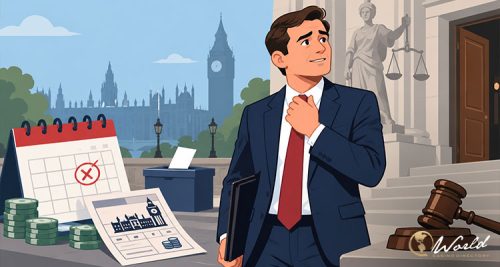
Tory Insiders Bet on Election Date—and Almost Paid the Price
Dr. Annelies De Vos ·
Listen to this article~4 min
Three Conservative Party insiders admitted using confidential information to bet on the 2024 UK election date. They avoided jail—but the judge's warning about public trust says plenty.
Three people tied to the Conservative Party just walked out of court with their freedom intact. They admitted they used confidential information to bet on the timing of the 2024 UK general election. Instead of prison, they got suspended sentences. And that outcome is raising more than a few eyebrows.
### Who Was Involved
Anthony Lee, the party's former director of campaigning, stood in the dock at Southwark Crown Court on October 23. His wife Laura Lee and Amy Hind were right there with him. All three had already pleaded guilty to cheating at gambling under Section 42 of the Gambling Act 2005.
That charge isn't a slap on the wrist by definition. It's a serious offense. But Judge Tony Baumgartner decided a suspended sentence was the right call.
### Why the Judge Went Soft
Here's where it gets interesting. Judge Baumgartner said their conduct "risked undermining" public confidence in the democratic process. That's a big deal. Elections depend on trust. If insiders can quietly bet on what they know is coming, that trust takes a hit.
Still, the court chose not to lock them up. Suspended sentences mean they stay out of jail as long as they don't break the law again during a set period. It's a warning shot, not a cell door.
### What This Means for the Bigger Picture
This case isn't just about three people and a few bets. It's about how gambling rules interact with political insider knowledge. Section 42 of the Gambling Act exists to stop exactly this kind of thing—people using information the public doesn't have to cash in.
Consider what makes this case stand out:
- The bets were placed on a national election, not a sporting event
- The information came from inside a major political party
- All three defendants admitted guilt before sentencing
- The judge acknowledged the harm to public trust but still spared them jail time
> "Their conduct risked undermining public confidence in the electoral process." — Judge Tony Baumgartner
That quote matters. It tells us the court saw real damage here. The question is whether a suspended sentence sends a strong enough message.
### The Gambling Angle Nobody's Talking About
For anyone following the online casino and betting world, this story is a reminder. Regulators on both sides of the Atlantic are watching insider betting cases closely. In the US, sports betting rules have tightened around similar concerns. The principle is the same everywhere: if you know something the public doesn't, you can't bet on it.
Online casinos and betting platforms in Mexico and beyond are under growing pressure to flag suspicious activity. That includes bets placed by people with inside knowledge. The UK case shows what happens when those flags get missed—or ignored.
### What Happens Next
For Lee, his wife, and Hind, the immediate threat of prison is gone. But the conviction stays. So does the reputational damage. And for the wider gambling industry, the case adds another chapter to the ongoing debate about integrity and enforcement.
If you bet online—whether in Mexico, the US, or anywhere else—the takeaway is simple. Insider information isn't a shortcut. It's a legal trap. And courts, even when they show mercy, don't forget.