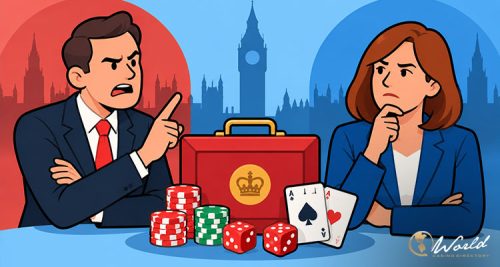
UK Gambling Tax Hike: The Surprising Rift It's Causing
Dr. Annelies De Vos ·
Listen to this article~3 min
The UK's decision to raise Machine Games Duty from 20% to 25% has sparked a fierce debate. Supporters say it will fund high street businesses, while critics warn of job losses and risks to horse racing. Here's what you need to know.
You'd think a tax increase on gambling machines would be a straightforward decision. But in the UK, it's sparked a real divide—and not just along party lines. Chancellor John Healey's move to raise Machine Games Duty (MGD) from 20% to 25% has politicians, industry insiders, and even bookmakers at odds. Some see it as a necessary step to protect high street businesses; others warn it could backfire in unexpected ways. Let's break down what's happening and why it matters.
### What's Actually Changing?
The increase applies to Category B gaming machines—those fixed-odds betting terminals you'll find in betting shops across the UK. The government says the extra revenue will go toward supporting high street businesses, which have been struggling for years. On paper, it sounds like a win-win: discourage harmful gambling while funding local economies. But the devil's in the details.
### The Argument for the Hike
Supporters of tougher gambling regulation are cheering the decision. They argue that these machines are addictive and can cause real harm, so taxing them more heavily is a no-brainer. Plus, the revenue could help revitalize town centers that have been hit hard by the shift to online shopping. It's a chance to make gambling pay its fair share—or at least that's the pitch.
### The Pushback
Opponents, however, aren't convinced. They warn that higher taxes could lead to job cuts in betting shops, fewer resources for British horse racing (which relies heavily on gambling revenue), and even an increase in illegal gambling. The worry is that legitimate businesses will suffer while the problems the tax aims to solve might just move underground. It's a classic case of unintended consequences.
> "We all want a fair and safe gambling industry, but piling on taxes without a clear plan risks hurting the very communities we're trying to protect," one industry insider told us.
### What This Means for You
If you're in the US, you might think this is purely a UK issue. But it's a window into a broader debate: how do you balance regulation, revenue, and social responsibility? As online casinos gain popularity worldwide—including in Mexico, a market many US players are watching—the UK's experiment could set a precedent. Will higher taxes curb harmful behavior or just push players to less regulated platforms? That's the million-dollar question.
### The Bottom Line
The UK's gambling tax hike is more than a political football. It's a test of whether you can use taxation to shape behavior without collateral damage. Supporters see it as a bold move; critics see it as a gamble. One thing's for sure: the outcome will be watched closely by governments and industry players everywhere. And if you're a betting shop owner or a horse racing fan, you're probably holding your breath.
What do you think? Is this a smart way to fund public services, or a risky bet that could backfire? The debate is far from over.