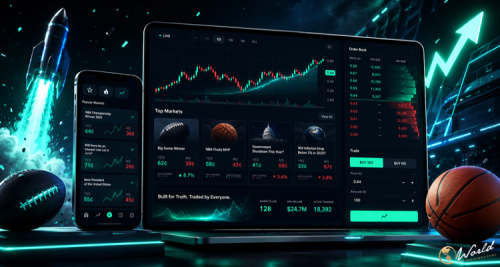
Underdog launches its own federally licensed exchange, moving from intermediary to full operator. This CFTC-approved shift promises faster innovation and deeper trust for users in U.S. sports prediction markets.
Underdog, a major name in U.S. sports prediction markets and fantasy sports, just made a bold move that changes the game. They've launched their very own federally licensed exchange, stepping out from behind the curtain to become a fully integrated operator. This isn't just a small tweak; it's a fundamental shift in how they do business.
Think of it this way: before, Underdog was like a really good tour guide. They showed you the sights, handled the logistics, but ultimately relied on someone else's transportation and venues. Now, they own the bus, the stadium, and the ticket booth. They control the entire experience from start to finish.
This transition didn't happen overnight. It was made possible by Underdog's acquisition of Aristotle Exchange DCM, Inc. (UDX) and Aristotle Exchange DCO back in March 2026. That purchase was the key that unlocked the door to serious regulatory status. It gave Underdog both Designated Contract Market (DCM) and Derivatives Clearing Organization (DCO) recognition from the Commodity Futures Trading Commission (CFTC).
### What This Actually Means for Players
So, what does a federally licensed exchange mean for you, the person actually using the platform? A lot, actually. It signals a new level of stability and legitimacy. When a company goes through the rigorous process of getting CFTC approval, it means they're playing by strict federal rules designed to protect consumers and ensure fair markets.
- **More Control:** Underdog now manages the entire lifecycle of a prediction contract, from listing to settlement. This can lead to faster payouts and fewer hiccups.
- **Enhanced Trust:** Federal oversight isn't a rubber stamp. It's a serious commitment to transparency and financial responsibility. It tells users that their funds are held to higher standards.
- **Potential for Innovation:** With their own exchange, Underdog can experiment with new types of prediction markets and features without needing permission from a third-party platform. They can build exactly what their community wants.
CEO and co-founder Jeremy Levine summed it up perfectly in a press release, stating, "Now with our own exchange, we're going to be able to innovate faster and offer a more seamless experience for our users. This is about building the infrastructure for the future of sports engagement." It's a clear signal that Underdog isn't just participating in the market; they're trying to shape it.
### The Bigger Picture for the Industry
This move by Underdog is more than just a corporate milestone. It's a significant moment for the entire U.S. sports prediction and fantasy sports industry. It blurs the lines between traditional sportsbooks, fantasy operators, and financial exchanges. We're seeing the birth of a new kind of hybrid entity.
Other operators are likely watching closely. If Underdog's model proves successful, it could trigger a wave of similar moves. Companies might start pursuing their own exchange licenses to gain a competitive edge. This could lead to a more fragmented, but also more innovative, landscape. For the consumer, that usually means better choices, better odds, and better products.
Of course, with greater control comes greater responsibility. Underdog now has to manage all the regulatory compliance, risk management, and operational headaches that come with being an exchange. It's a high-stakes play, but one that could pay off huge if executed well.
### What's Next for Underdog?
The launch of the exchange is just the beginning. The real question is what Underdog will build on top of this new foundation. We can expect a deeper integration between their fantasy sports offerings and the prediction exchange. Imagine being able to seamlessly trade positions based on real-time game developments, or creating custom prediction markets for niche events. The possibilities are vast.
One thing is certain: Underdog is no longer just a player in the game. They're now one of the people building the stadium. And for anyone interested in the future of sports and prediction markets, that's a development worth watching closely.