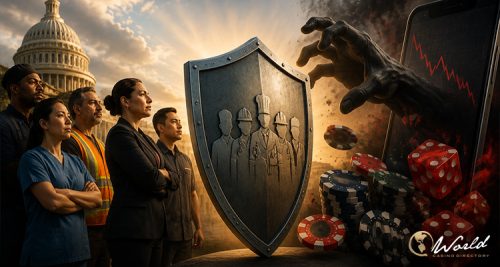
UNITE HERE, representing over 100,000 casino workers, is urging Congress to stop prediction markets from offering illegal sports bets that threaten jobs and Tribal sovereignty.
A major labor union is taking a stand against the rapid growth of prediction markets, arguing they threaten jobs and violate existing laws. UNITE HERE, which represents over 100,000 workers in commercial and Tribal casinos across the United States, is pushing Congress to step in.
Gwen Mills, the union's president, didn't mince words. She said these prediction markets are putting good, union jobs at risk by offering sports and casino-style bets that skirt state and Tribal regulations. For the workers who rely on casino wages and benefits, this isn't just a policy debate—it's a direct threat to their livelihoods.
### What Are Prediction Markets, Anyway?
Prediction markets are platforms where people bet on the outcome of future events, like who will win an election or how many points a team will score. They've exploded in popularity recently, and some now offer bets that look a lot like traditional sports betting. The problem? They often operate outside the legal framework that governs casinos and sportsbooks.
UNITE HERE argues this is illegal. They claim these platforms are conducting sports betting without following state laws or respecting Tribal sovereignty. Many Tribal casinos operate under compacts with the federal government, and those agreements are meant to protect their exclusive right to offer certain types of gambling. Prediction markets, the union says, are undercutting that system.
### The Human Cost
Let's be real for a second. Behind every statistic about market growth or regulatory loopholes, there are real people. UNITE HERE members work as dealers, housekeepers, cooks, and servers. They're folks who've built careers in the gaming industry, often with union contracts that provide decent wages, health insurance, and retirement plans.
If prediction markets siphon away business from licensed casinos, those jobs could disappear. And it's not just about the casinos themselves—it's about the communities that depend on them. Tribal casinos, in particular, are often economic anchors for their nations, funding schools, healthcare, and infrastructure.
### What the Union Is Asking For
UNITE HERE is calling on Congress to take action. They want lawmakers to clarify that prediction markets offering sports or casino-style bets fall under existing gambling laws. That would effectively shut down these platforms unless they get proper licenses and follow the rules.
The union also wants to protect Tribal sovereignty. Many Tribal nations have fought hard to secure their gaming rights, and they see prediction markets as an end-run around those agreements. By pushing for federal intervention, UNITE HERE is trying to close a loophole that could undermine decades of legal progress.
### A Broader Debate
This isn't just a union issue. The rise of prediction markets has sparked a larger conversation about what counts as gambling and who gets to regulate it. Some argue these platforms are just a form of free speech or market speculation. Others, like UNITE HERE, see them as a direct threat to regulated gaming.
Either way, the stakes are high. The gaming industry employs hundreds of thousands of people in the U.S., and it generates billions in tax revenue. If prediction markets continue to grow unchecked, the impact could be felt far beyond the casino floor.
### What Comes Next
For now, UNITE HERE is rallying its members and lobbying lawmakers. They're hoping Congress will act before more jobs are lost. But the clock is ticking. As prediction markets get more popular, the pressure to regulate them—or not—will only intensify.
One thing is clear: this fight is about more than just betting. It's about fairness, legality, and the future of work in the gaming industry. And for the 100,000 workers UNITE HERE represents, it couldn't be more personal.