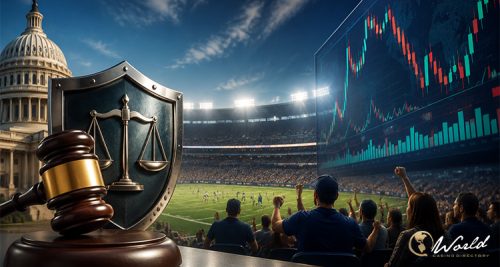
Nevada lawmakers introduce bipartisan bill to ban sports prediction contracts on federal trading platforms. Find out how the Prediction Markets Are Gambling Act could reshape the industry.
Nevada lawmakers just dropped a bombshell on the world of sports prediction contracts. A new bipartisan bill, introduced in both the House and Senate, aims to ban federally regulated trading platforms from offering these casino-style event contracts. The goal? To put the power back where it belongs—under state and tribal gaming authority.
This isn't some small, niche issue. If it passes, it could reshape how millions of Americans engage with prediction markets overnight. But what exactly is in the bill, and why does it matter for you?
### The Bill in Plain English
The legislation is called the "Prediction Markets Are Gambling Act." Yes, the name is that blunt. Sponsored by Reps. Steven Horsford (D-Nev.) and Mark Amodei (R-Nev.) in the House, and Sens. Adam Schiff (D-Calif.), John Curtis (R-Utah), and Catherine Cortez Masto (D-Nev.) in the Senate, it targets platforms like Kalshi and Polymarket that offer contracts on sports outcomes, election results, and other events.
Under current rules, some of these platforms operate under federal oversight, often through the Commodity Futures Trading Commission (CFTC). The new bill would strip that authority, making it clear: sports prediction contracts are gambling, not trading. That means they'd fall under state and tribal gaming laws, just like traditional sports betting.
### What This Means for Players
If you're someone who dabbles in prediction markets, this could be a game-changer. Here's what to expect:
- **Tighter regulations:** States and tribes would set their own rules, which could vary wildly. What's legal in Nevada might not fly in New York.
- **Fewer platforms:** Many federally regulated exchanges might shut down their sports-related offerings entirely to avoid legal headaches.
- **More clarity:** For better or worse, the line between gambling and investing would get a lot sharper.
But here's the thing—this isn't just about sports. The bill also targets "casino-style event contracts," which includes things like betting on the outcome of elections or weather events. So if you're using these platforms for anything beyond traditional investments, pay attention.
### Why Now?
The timing is interesting. Prediction markets have exploded in popularity over the last few years, especially for events like the Super Bowl or the presidential election. Lawmakers argue that these platforms operate in a gray area, essentially offering gambling without the consumer protections that come with state-regulated casinos or sportsbooks.
"This is about protecting consumers and preserving the integrity of our gaming laws," said Rep. Horsford in a statement. "Federal trading platforms should not be in the business of taking bets on who wins the big game."
### The Bigger Picture
This bill is part of a larger trend. States across the U.S. are tightening their grip on online gambling, from sports betting to daily fantasy sports. Meanwhile, the federal government is starting to take a harder look at the financial products that blur the line between investing and gambling.
- **State rights:** The bill reinforces the idea that gambling is a state issue, not a federal one.
- **Consumer protection:** By bringing these contracts under state gaming laws, players get access to dispute resolution, responsible gambling tools, and other safeguards.
- **Revenue implications:** States and tribes stand to gain tax revenue from these activities, which currently bypass local coffers.
### What's Next?
The bill has a companion measure in the Senate, introduced in March 2026. It's still early in the process, but don't underestimate the momentum. Bipartisan support is rare these days, and this bill has it. If it passes, expect a flurry of state-level activity as regulators decide how to handle these contracts.
For now, the best advice is to stay informed. If you're active in prediction markets, keep an eye on the CFTC and your state's gaming commission. The landscape could shift faster than you think.
### Final Thoughts
This isn't just a Nevada story. It's a national one. Whether you're a casual fan of sports betting or a serious player in prediction markets, this bill could affect your bottom line. The debate is heating up, and the outcome is anything but certain.
What do you think? Should prediction markets be treated as gambling, or do they have a place alongside traditional investments? Drop your thoughts in the comments below.