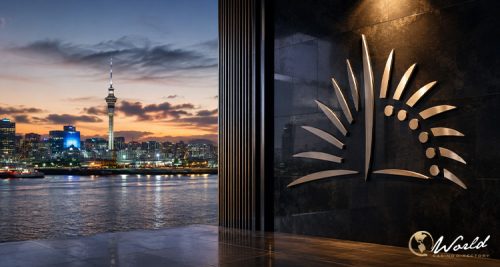
SkyCity Entertainment Group has rejected two major takeover bids, including one from Oaktree Capital. The offers, valuing the casino operator at nearly $500 million USD, were deemed insufficient as the company opts for an independent future.
SkyCity Entertainment Group, the New Zealand-based casino operator, has made a pretty bold move. They've officially rejected not one, but two unsolicited takeover proposals that landed on their desk back in May. It's the kind of news that sends ripples through the industry, making you wonder what they see on the horizon that these bidders might have missed.
Let's break it down, because the details are fascinating. The first offer came from a special situations fund managed by Oaktree Capital Management. They pitched a bid of NZ$0.70 per share. Not long after, a second, unnamed bidder stepped up with a slightly higher implied price of NZ$0.75 per share. The company finally disclosed these approaches to the public on August 25th, but only after media reports started swirling about a potential deal.
### The Stakes on the Table
So, what were these offers really worth? When you're dealing with a company the size of SkyCity, with over 1.1 billion ordinary shares outstanding, those per-share numbers translate into some serious money. We're talking about valuations of approximately NZ$772 million and NZ$827 million respectively. That's a lot of chips on the table.
Now, for our readers in the U.S., let's put that into perspective. Converting from New Zealand Dollars (NZD) to U.S. Dollars (USD) at a rough rate, those offers were in the ballpark of $460 million and $495 million. It's a significant sum, but SkyCity's board clearly felt it wasn't the right time or the right price.
What's really interesting is the nature of these proposals. Both were described as confidential and conditional. That's financial-speak for 'this isn't a sure thing, and there are a lot of strings attached.' It suggests the bidders might have been testing the waters or proposing complex deals that SkyCity's leadership just wasn't comfortable with.
### Reading Between the Lines
You don't just turn down nearly half a billion dollars without a good reason. So what could be behind the decision? A few possibilities come to mind for industry watchers:
- The board might have a fundamentally more optimistic view of the company's standalone future value.
- They could be anticipating a stronger recovery in key markets like New Zealand and Australia.
- There might be undisclosed strategic projects or assets they believe make the company worth more.
- The conditional nature of the offers may have introduced too much risk or uncertainty.
It's a reminder that in the high-stakes world of casino and entertainment conglomerates, valuation is as much about future potential as it is about current numbers. SkyCity's properties are major landmarks. Their operations aren't just about gaming floors; they're integrated resorts with hotels, restaurants, and event spaces. That's a unique business model that's hard to value with a simple formula.
### What This Means for the Industry
This move sends a clear signal. It tells the market that SkyCity's leadership is confident in their strategic direction. They're not looking for a quick exit or a rescue deal. In an industry that's seen plenty of consolidation and turbulence, especially post-pandemic, that's a statement of resilience.
For professionals watching from the United States, it's a compelling case study in corporate strategy. It highlights the importance of board confidence and long-term vision over short-term financial gain. When two separate entities see value in acquiring you, but you see even greater value in staying independent, it makes everyone pause and reconsider their assumptions.
The whole situation leaves us with a bigger question, doesn't it? If these two bids weren't attractive enough, what would it take for SkyCity to say yes? What's their internal valuation, and what future are they betting on that these outside firms didn't fully appreciate? Only time will tell, but for now, SkyCity is playing its own hand, and it's chosen to stay in the game.